1 in 6 UK adults suffer hearing loss and, on average, they believe they should have their hearing tested every 2-3 years, yet most of us only have our hearing tested once a decade!
In a recent survey of 2,000 UK adults, commissioned by the British Irish Hearing Instrument Manufacturers Association (BIHIMA) and announced on its website, 16% of respondents self-reported suffering from hearing loss, with men being nearly twice as likely to suffer as women: 1 in 5 men reported suffering from hearing loss compared to 1 in 10 women.
These UK figures are significantly higher than the 1 in 9 Europeans with self-reported hearing loss, according to the latest Eurotrak report.
Eleven percent of 16-24 year olds surveyed say they too suffer hearing loss. This figure doubles to 22% in the over 55 age group. This revelation comes as no surprise as we are familiar with the concept that hearing can deteriorate with age.
Hearing loss compounds feelings of isolation and loneliness which can affect the lives of sufferers. As with loss of vision, identifying and treating hearing loss can improve an individual’s quality of life.
Nearly half of those who say they have a hearing loss claim to wear hearing instruments according to BIHIMA’s UK 2018 Eurotrak study, leaving over 50% not taking advantage of available technology. This problem could be managed with regular visits to an audiologist, according to BIHIMA.
BIHIMA Chairman, Paul Surridge comments on the survey’s findings: “Not everyone notices a decline in their hearing. It’s often a relative or family friend that raises the subject. We know hearing loss can have a detrimental effect on people’s mental health and the way they live their lives. As a society, we need to encourage everyone to have regular hearing tests and, when appropriate, be fitted with life changing hearing instruments to prevent unnecessary suffering.”
BIHIMA advises people to get their hearing tested every three years, and annually after the age of 55. Just as we visit the optician and dentist regularly, our hearing should also be valued and protected.
Research and Methodology:
The research was conducted by Censuswide across 2,000 UK adults. It was completed in February 2020, but publication was delayed due to the coronavirus outbreak. www.censuswide.com
https://www.keynshamhearing.co.uk/wp-content/uploads/2019/03/logo-300x79.png00adminhttps://www.keynshamhearing.co.uk/wp-content/uploads/2019/03/logo-300x79.pngadmin2020-09-08 21:14:322020-09-08 21:14:321 in 6 UK adults suffer hearing loss
Phonak’s Audéo Paradise Launch Supports the Company’s Overall “Well Hearing is Well Being” Mission
Voltaire said “Wherever my travels may lead, paradise is where I am.” Phonak is hoping its newest hearing aid, Audéo Paradise, will evoke similar sentiments in people with hearing loss over a vast array of listening situations, and lend further support for its tenet that “Well hearing is well being.”
As the successor to its premium Audéo Marvel product line, Audéo Paradise has big shoes to fill. Marvel was introduced in October 2018 and sold over 1 million hearing aids within its first year—the fastest-ever sales for the company and probably Phonak’s most successful hearing aid since its 2005 launch of Phonak Savia. A Marvel 2.0 upgrade was released last August which, among several other things, made RogerDirect technology available to all Marvel hearing aids while expanding form factor options.
The new Phonak Audéo Paradise, officially released today (August 19), is designed to provide “the next level of excellent sound quality” through its new PRISM (Processing Real-time Intelligent Sound Management) sound processing chip that features approximately double the memory of Phonak’s previous chip, “universal” connectivity options, and a new fitting formula designed to provide better fits (particularly for milder losses), reduced reverberation, greater dynamic range, and reduced listening fatigue in noise. The company is also introducing a new version of AutoSense OS™ (ASOS 4.0), the fourth-generation of its successful operating system which augments the existing feature set found in Audéo Marvel with a new speech enhancer, dynamic noise cancellation, and motion-sensor hearing technology for even better performance in noisy environments.
Keynsham hearing centre near Bristol
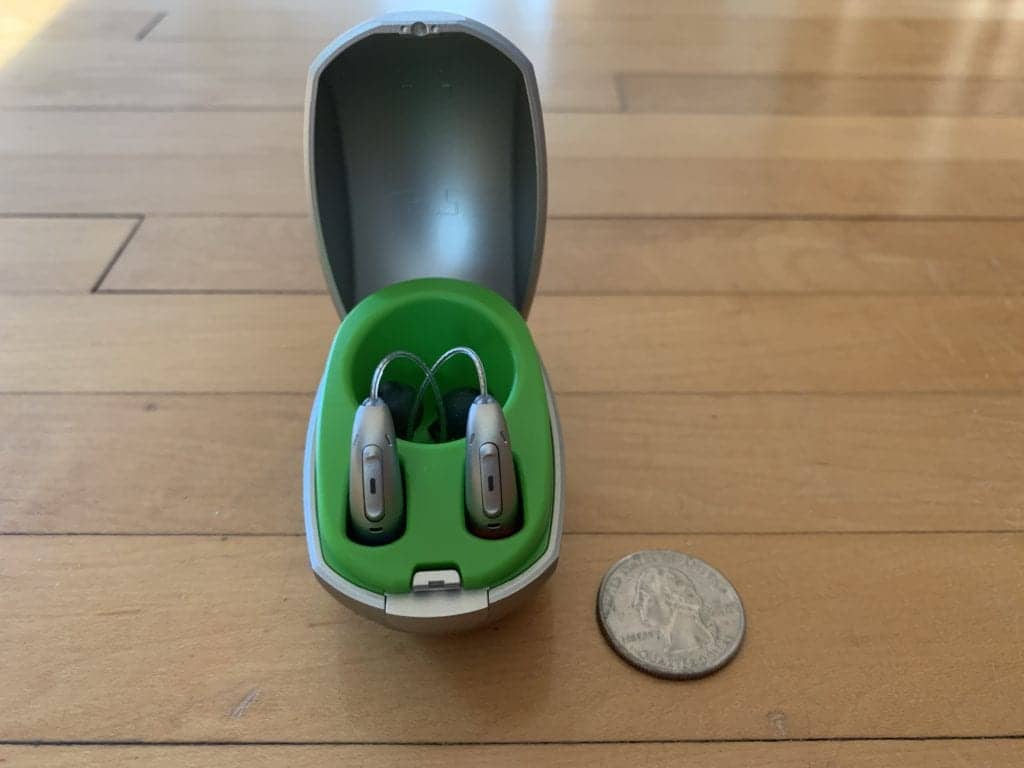
The integrated motion sensor not only detects when the wearer is moving and having a conversation, but it also supports hands-free conversations while connecting with Siri®, Google Assistant™, or Amazon Alexa® via a simple double-tap to the ear. The new hearing aid also features proven lithium-ion rechargeable battery technology that provides a full day of listening, including audio streaming, on a single charge and comes with an easy-to-use portable charging unit.
In July, Phonak held an online premiere of its new Paradise hearing aid for members of the press, and later even allowed participants to try the product for themselves during a remote fitting session (look for the upcoming blog about the editor’s experience with remote programming for a mild hearing loss).
Sound Quality and Innovative App Features
During the online media event, Phonak Product Manager Fabia Müller detailed three new features of the Audéo Paradise. These key features are designed to improve ease-of-use for the hearing aid wearer, while enhancing communication in a multitude of listening situations, particularly in quiet, in loud environments, and for special situations involving movement:
Speech Enhancer is designed for more intimate one-on-one conversations with a friend or loved one by enhancing the peak elements of speech (ie, providing more gain on the soft input speech signals).
Dynamic Noise Cancellation is a new feature that employs a directional beamformer when users are trying to understand speech in a loud environment, like in a restaurant, bar, or playground. The new system works in combination with Phonak’s adaptive beamformer, as well as the motion sensor. Müller says the entire system can provide up to 4 dB SNR improvement.
Motion Sensor Hearing detects if the user is moving or stationary, then seamlessly steers the microphone mode and the dynamic noise cancellation appropriately to maximize the speech signal and retain natural sound.
“With Paradise, we are delivering crisp natural sound, brilliant speech understanding, and personalized noise cancelling,” said Müller. She says ASOS 4.0 system uses artificial intelligence (AI) to orchestrate a fully automatic experience, blending the new features above into the existing Audéo features to ensure that the beamformer and dynamic noise cancellation are in the appropriate settings—whether one is walking or standing still—in a wide variety of environments.
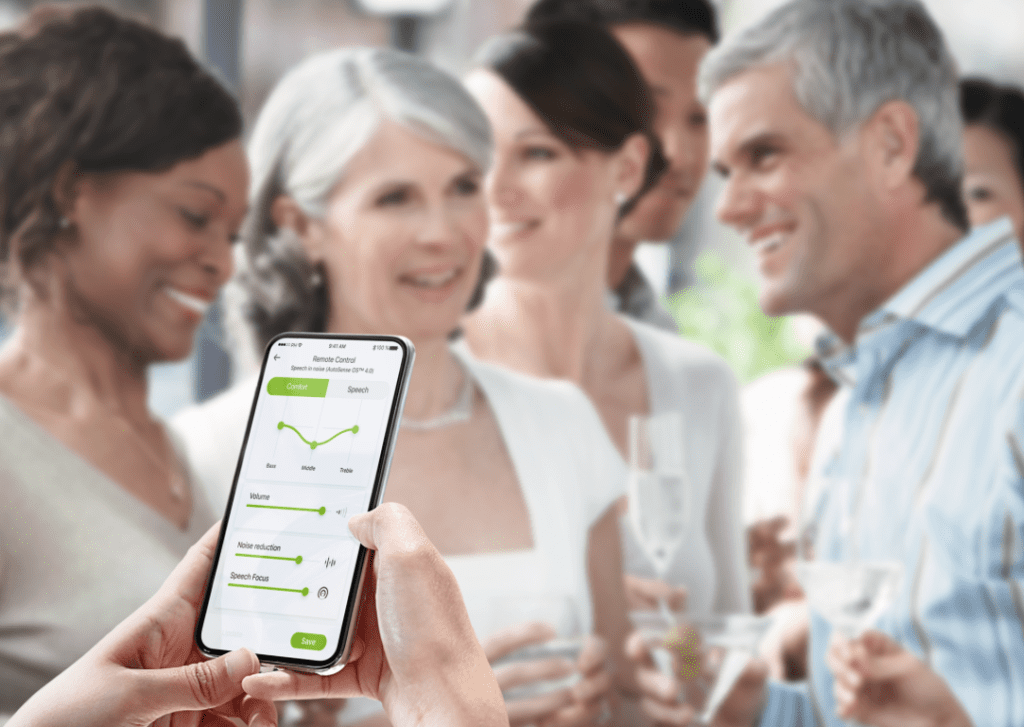
The myPhonak app can control sound settings for Phonak Paradise users.
Paradise also introduces a suite of personalized digital solutions so hearing aid wearers get the most out of their new hearing aids. Through the myPhonak app, consumers can now easily adjust the level of background noise, and even receive a hearing test directly through hearing aids from a professional remotely, without leaving their home. The Phonak Hearing Screener has also been upgraded so that any person can quickly receive a hearing assessment online.
Audéo Paradise users can also receive help in special listening situations from the app’s Hearing Diary. Within the diary, there are four broad areas: “sound quality,” “speech understanding,” “hearing aid,” and “other.” Within each of these areas, one can choose to rate your satisfaction in various situations like “conversation in quiet,” “restaurant,” “watching TV,” “music,” “workplace,” etc, then provide more specific comments and feedback for assistance and/or possible adjustment.
Broadened Connectivity Options
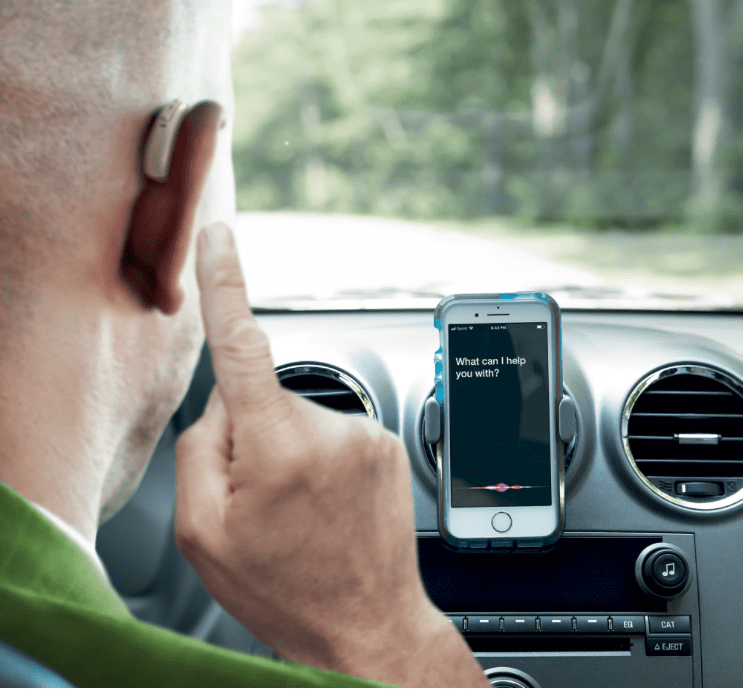
With Paradise, a simple double-tap to the ear can hail your favourite voice assistant like Siri or Alexa.
With the new Tap Control, Paradise users can activate Siri or Alexa, answer or reject calls, or even pause or resume audio streaming by tapping on the outer ear (upper helix/pinna). In previous Phonak Audéo hearing aids, there were two Bluetooth connections, with only one being active at any one time; with Audéo Paradise, there are now eight possible Bluetooth connections, with two capable of being active via the customisable Tap Controls.
New First-fit Capabilities and Advanced Processing
Phonak has also adapted its proprietary fitting formula to these new capabilities by introducing Adaptive Phonak Digital 2.0 (APD 2.0), an update to the original fitting formula introduced 15 years ago. There are three main changes in the new APD 2.0:
Adaptive compression speeds for greater dynamic range and reduced perception of reverberation;
“Linearalized” gain for higher inputs like loud speech-in-noise situations or music (ie, a “louder input kneepoint”), and
A new pre-calculation of the gain settings and amplification schemes for mild-to-moderate hearing losses to provide better first-fit acceptance at the first appointment for this unique user group.
Müller noted that research at Hörzentrum Oldenburg GmbH showed APD 2.0 helped reduce listening effort particularly in noise. Additionally, OSOS 4.0 uses AI to orchestrate these new features, as well as previous Audéo performance benefits, to provide the best speech intelligibility and sound quality.
In summary, Audéo Paradise is the first hearing aid to benefit from Sonova’s new sound processing chip, PRISM, which delivers crisp, natural sound in any environment for excellent sound quality. In quiet situations, soft voices over distance are enhanced by the Speech Enhancer. With the Motion Sensor Hearing, the hearing aids can detect when the wearer is moving while having a conversation and automatically adjust the directional microphones to focus on the direction of speech. Paradise wearers also have more control over how they hear thanks to a new personalised noise cancelling feature in the myPhonak app.
“When creating our latest hearing solution, we turned to nature for inspiration,” said Martin Grieder, Group Vice President of Marketing for Sonova in a press statement. “Hearing is such an intricate part of our existence and fundamental for our overall well-being. Nature is also the source of so many sounds that can soothe, relax and comfort us. What better way to rediscover sound than with a hearing aid inspired by nature itself – Phonak Audéo Paradise.”
The Bigger Picture of Brain Health and the Future
During the online media event, Phonak Director of Global Audiology Angela Pelosi pointed out that hearing loss fundamentally changes our perceptions of well-being, safety, and security—one of the many reasons why hearing healthcare needs to change its messaging from just solving immediate hearing problems to a more universal message of “Well Hearing is Well Being.” Increasingly, scientific evidence shows that untreated hearing loss is associated with comorbidities like falls, loneliness and depression, increased use of healthcare systems, as well as cognitive impairment (eg, see recent Lancet Commission update that confirmed untreated hearing loss as the largest modifiable risk factor in dementia).
Julia Sarant, PhD, of the University of Melbourne presented information on a study indicating improved executive function for all participants who used hearing aids for 18+ months. The research also found that people with greater degrees of hearing loss are more likely to have poorer cognitive function, and that older adults who use hearing aids may be able stabilize their cognitive status or actually improve it significantly over time. In other words, “Looking after hearing health is also looking after brain health,” says Dr Sarant.
Paradise Models and Availability
Audéo Paradise is available beginning today via licensed hearing care professionals in the United States. It will be offered in all performance levels across four models, all Roger compatible, including the Audéo P-RT, a lithium-ion rechargeable model with telecoil.
For more details on Audéo Paradise, visit the Phonak website.
Transport noise is a major problem in Europe, with over 100 million people living in areas where road traffic noise exceeds levels greater than 55dB, the health-based threshold set by the EU. A new study by the University of Oxford and the University of Leicester has found a connection between traffic noise and obesity. Long-term exposure to road traffic noise, such as living near a motorway or on a busy road, was associated with an increase in body mass index and waist circumference, which are key markers of obesity, according to an announcement on Oxford’s website. The study was published in the journal Environmental Research.
“While modest, the data revealed an association between those living in high traffic-noise areas and obesity, at around a 2% increase in obesity prevalence for every 10dB of added noise,” said lead author Dr Samuel Yutong Cai, a senior epidemiologist at the University of Oxford. “The association persisted even when we accounted for a wide range of lifestyle factors, such as smoking, alcohol use, physical activity, and diet, as well as when taking into account socioeconomic status of both individuals and the overall area. Air pollution was also accounted for, especially those related to traffic.”
This is the “largest study to-date on noise and obesity,” looking at data on over 500,000 people from three European biobanks in the UK, Norway, and the Netherlands. Links between noise and weight were found in the UK and Norway, but not the Netherlands cohort. While the study is unable to confirm a causal relationship, the results echo those from a number of previous studies conducted in other European countries.
“It is well-known that unwanted noise can affect quality of life and disturb sleep,” said co-author Professor Anna Hansell, director of the University of Leicester’s Centre for Environmental Health and Sustainability. “Recent studies have raised concerns that it also may influence general health, with some studies suggesting links to heart attacks and diabetes. Road traffic noise may increase stress levels, which can result in putting on weight, especially around the waist.”
“On the individual level, sticking to a healthy lifestyle remains a top strategy to prevent obesity,” said Cai.“However, at the population level, these results could have some policy implications. Environmental policies that target reducing traffic noise exposure may help tackle many health problems, including obesity.”
Led by Hansell, work is ongoing to investigate other sources of noise in the UK, such as aircraft noise, and its effect on health outcomes. In the future, long-term follow-up studies would be valuable in providing more information on how the relationship between noise and weight functions.
“As we emerge and recover from COVID-19, we would encourage the government to look at policies that could manage traffic better and make our public spaces safer, cleaner, and quieter,” said Cai. “Air pollution is already a well-known health risk, but we now have increasing evidence that traffic noise is an equally important public health problem. The UK should take this opportunity to think about how we can, as a society, reorganize cities and communities to support our health and reap better health outcomes across the whole population.”
Original Paper: Cai Y, Zijlema WL, Sorgjerd EP, et al. Impact of road traffic noise on obesity measures: observational study of three European cohorts. Environmental Research. 2020;110013. DOI: https://doi.org/10.1016/j.envres.2020.110013
https://www.keynshamhearing.co.uk/wp-content/uploads/2019/03/logo-300x79.png00adminhttps://www.keynshamhearing.co.uk/wp-content/uploads/2019/03/logo-300x79.pngadmin2020-08-25 10:24:412020-08-25 10:24:41Traffic Noise May Impact Weight Gain
University of Auckland to Study Chatbot Technology for Potential Tinnitus Therapy
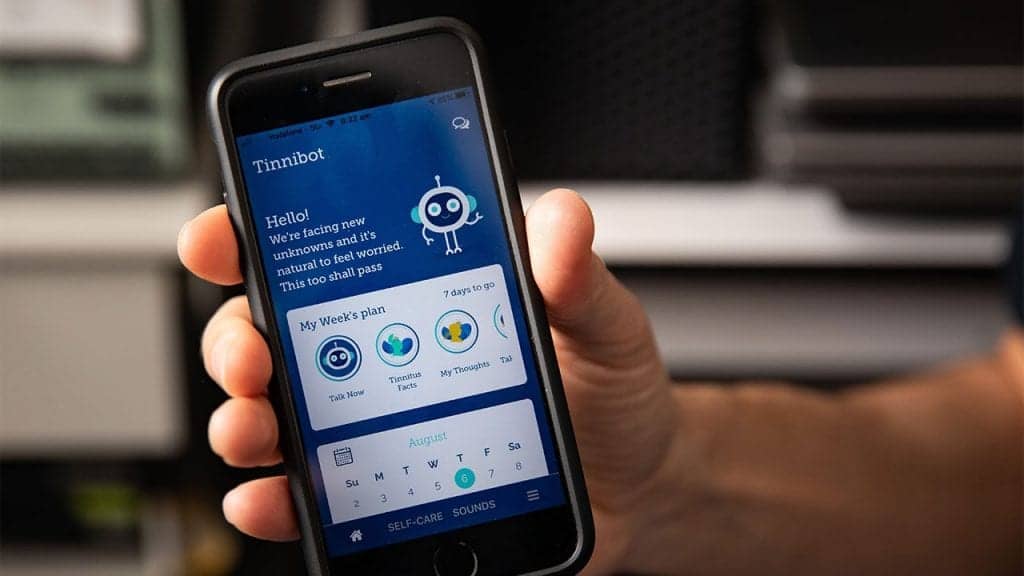
Chatbot technology that offers therapy for tinnitus sufferers via a mobile device such as a smartphone will be trialed at the University of Auckland, according to an announcement on the school’s website.
Researchers are recruiting participants for the “Tinnibot” study which is aimed at helping those who suffer from a hearing disorder that affects around one in ten New Zealanders and more than 700 million people worldwide.
Tinnitus is usually experienced as a ringing in the ears but sufferers report a range of noises including buzzing, clicking, and even the sound of cicadas. Severity varies: sounds can be continuous or intermittent but the condition is linked to serious mental health effects including depression, anxiety, and insomnia. Currently there is no cure.
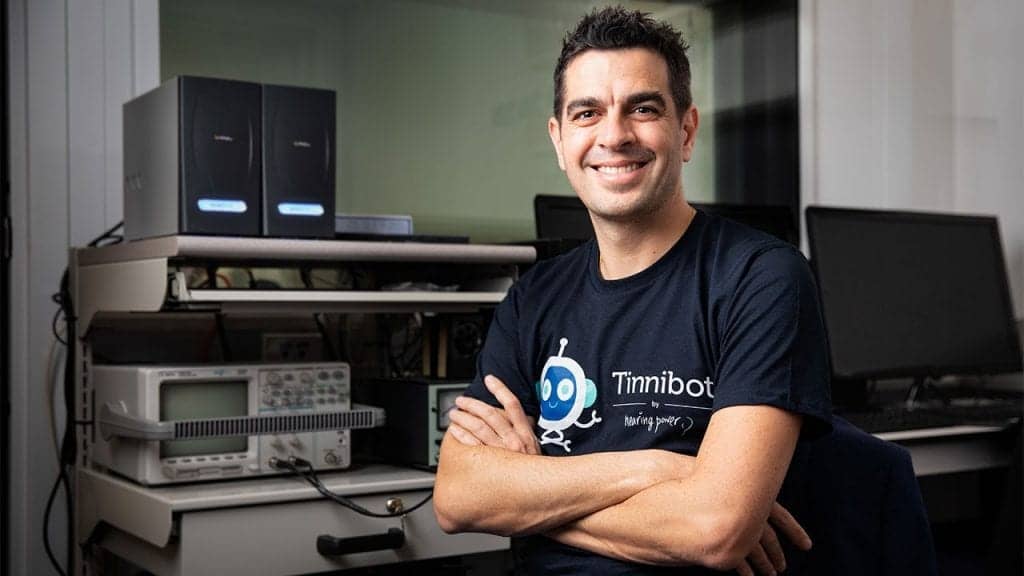
But as online technologies and devices such as smartphones change the way health care is delivered, Dr Fabrice Bardy from the University of Auckland’s School of Psychology says it has created new opportunities to treat tinnitus and to study which treatments work best.
Dr Fabrice Bardy
Tinnibot is a chatbot program which uses Cognitive Behavioural Therapy (CBT), proven to be effective in the treatment of tinnitus but usually only available through one-on-one sessions which can be expensive and involve long wait times.
The chatbot’s software interface delivers CBT designed for an individual’s needs directly to their mobile, conducting an automated and interactive text conversation designed to help people regulate their thoughts by focusing on positive thoughts and challenging negative ones.
The interface incorporates a sound therapy library which has proved to be effective tinnitus therapy, particularly for those who have trouble sleeping. It works by using noise at just the right volume to drown out the sounds tinnitus can produce.
Keynsham hearing centre
Dr Bardy describes Tinnibot to be like having a tinnitus expert in your pocket.
“This chatbot interface is the first one designed specifically for the treatment of tinnitus, a tool that offers direct therapy and support which is convenient and affordable,” he said. “It will help people better understand their condition and to manage symptoms, give them a sense of being in control, and a confidence boost because that’s an important part of successful treatment.”
Participants in the research will be split into two cohorts with one using Tinnibot only and the other using Tinnibot as well as video counseling with a psychologist. The aim is to see which treatment is more effective.
If you have been bothered with tinnitus for over three months and if you are interested in participating in the study, contact Dr Bardy for more information.
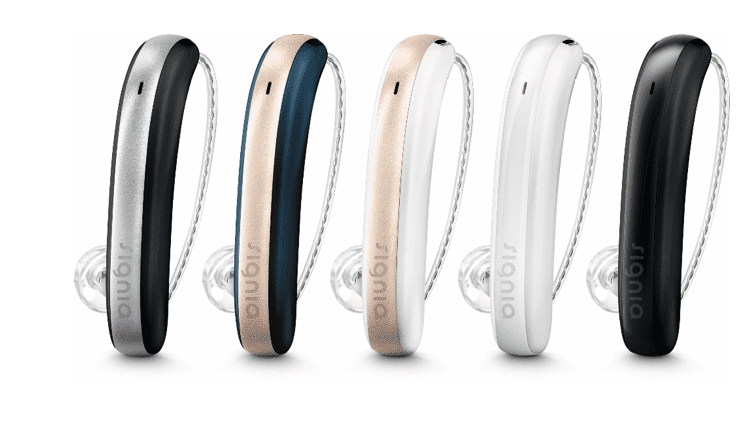
Signia announces the launch of the Styletto X. This new device, said to be “the world’s first SLIM-RIC form factor” pioneered by Signia, is now available on the Signia Xperience platform.
Styletto X reportedly offers “the most complete hearing experience, combining one-of-a-kind style that patients desire with the uncompromised technology that hearing care professionals demand,” according to the company’s announcement. Signia says that this “highly sophisticated hearwear helps to improves listening in any situation—even when moving—and delivers better-than- normal-hearing in difficult noise.” Features of the Styletto X include exchangeable receivers, portable rechargeability, Bluetooth connectivity, and self-service patient support via Signia Assistant.
In addition to Styletto X, Signia has introduced additional products on the Signia Xperience platform, helping to empower hearing care professionals to address more patient needs and preferences. These new offerings include:
The Silk X, a “discreet alternative to customs,” helping to allow hearing care professionals to operate more efficiently with a same-day-fit.
An expanded Essentials line to offer Signia’s advanced technology to more patients, regardless of budget.
Three new CROS solutions (CROS Pure Charge&Go X, CROS Pure 312 X, and CROS Silk X) for a choice of styles and fittings for patients with single-sided deafness.
“With its slim, rounded form and striking color combinations, Styletto X was developed to attract individuals who wouldn’t otherwise consider wearing hearing aids, while providing new options to existing wearers looking to upgrade to a sleek and modern device,” said Dr Tish Ramirez, AuD, Signia’s Vice President, Clinical Education & Professional Relations.
As evidence of its appeal, the eye-catching Styletto form factor—preferred by 8 out of 10 consumers—was found to significantly increase in-store-conversion of people with hearing loss into satisfied hearing aid wearers.2
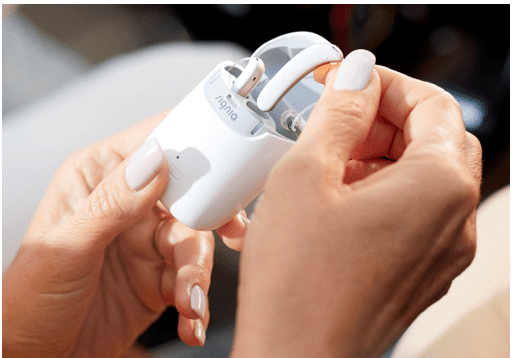
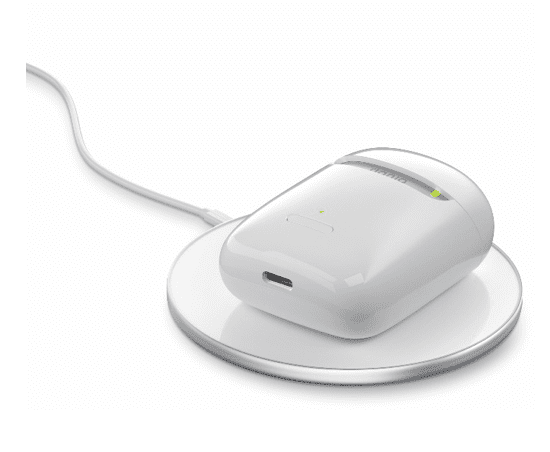
Signia is the “first hearing aid brand” to incorporate Qi wireless charging technology, helping to enable wearers to place the Styletto X pocket-sized charging case on a charging pad for greater usability.
“Styletto X features several enhancements to this already well-received design, based on feedback from our hearing care professional partners,” Ramirez added. “In particular, Styletto X now comes with exchangeable receivers to treat a wider range of hearing loss and enable more patients to benefit from this one-of-a-kind device.”
A New Era of Wearability and Autonomy
Signia is “the first hearing aid brand” to incorporate Qi wireless charging technology into a hearing aid charging case. With this technology, wearers can simply place the Styletto X pocket-sized charging case on a charging pad in cafés, restaurants, or cars, instead of having to plug it into the charging port. Styletto X can be fully charged in only four hours to provide a full day’s wearing, including five hours of streaming.3
The Signia Assistant can help hearing care professionals by leveraging artificial intelligence to help support patients, 24/7, with text-based dialogue, instant sound adjustments, and how-to-videos to answer handling questions.
Remote Fitting and Service Options
With Signia’s new Remote Care solution, hearing care professionals and hearing aid wearers can benefit from flexible fitting and service options via TeleCare, “the first full, live remote fine-tuning solution in the industry,” according to the company.
This hearing solution is available now in performance levels 7, 5, 3, 2, 1 and sDemo and in the contemporary color combinations Snow White/Rose Gold, Black/Silver, Cosmic Blue/Rose Gold, and in new White or Black.
1 Red Dot Design Award 2019, iF Design Award 2019 2 Hakvoort, Burton: Increasing Style, Reducing Stigma: The Styletto Solution (Signia White Paper, 2018) 3 Based on 16 hours wearing incl. 5 hours streaming per day
Starkey Updates Fall Alert Feature in ‘Basic Mode’ for IOS and Android
Starkey hearing aids at the Keynsham hearing centre
Starkey announced that its Thrive Hearing Control app has been updated to enable the Fall Alert feature in the “basic mode” for both iOS and Android versions. This feature was previously only available in “advanced mode.” Using their built-in 3D sensors, Starkey’s Livio Edge AI hearing aids can detect when the wearer falls and send alert messages to selected contacts. This update will “allow hearing healthcare professionals to give even more patients the opportunity to maintain their independence and caregivers peace of mind—which, due to current social distancing practices, is more crucial now than ever before.”
“We find it increasingly important for hearing aid wearers to feel secure in their day-to-day lives,” said Starkey Chief Innovation Officer Dave Fabry, PhD. “Because some Livio Edge AI wearers prefer the easy layout of basic mode, the simplified version of our Thrive Hearing Control app, enabling the Fall Alert feature for them was a vital task for us.”
Unlike other fall-detection devices, which are worn around the neck or on the wrist, Livio Edge AI is reportedly “the world’s first ear-worn, fall-detection device and alert system.” To learn more about Starkey and Livio Edge AI, please click here.
https://www.keynshamhearing.co.uk/wp-content/uploads/2019/03/logo-300x79.png00adminhttps://www.keynshamhearing.co.uk/wp-content/uploads/2019/03/logo-300x79.pngadmin2020-07-28 12:03:032020-07-28 12:03:03Starkey Updates Fall Alert Feature in ‘Basic Mode’ for IOS and Android
Oticon Launches Ruby Hearing Aid for Budget-Conscious Patients
For consumers returning to work and social activities in an uncertain economic climate, the newest addition to Oticon’s line of technology offers a combination of “sound quality, sought-after features, and affordability,” according to an announcement from the company. The new Oticon Ruby “sets a new standard in the essential category, delivering great sound quality, hassle-free rechargeability, and easy wireless connectivity in one complete solution—all within the reach of today’s budget-conscious patients.”
Powered by the Velox S platform, Oticon Ruby introduces the new SuperShield feedback management system that “helps prevent feedback before it occurs, so patients can enjoy hearing without interruptions from unwanted whistling and squealing.” For patients who want the convenience of rechargeable batteries, a new lithium-ion rechargeable option helps provide a full-day’s* charge in a few hours. Bluetooth connectivity helps enable patients to connect to smartphones and other modern devices to stream audio and music directly to their hearing aids.
“After experiencing this time of social distancing, consumers recognise the value of easy access to modern technologies to stay connected with family, friends, and business colleagues,” said Don Schum, PhD, Vice President of Audiology for Oticon, Inc. “Phone calls, video chats, and other virtual connections have become their lifeline to the world. These connections are enhanced with better hearing. At the same time, despite the start of an economic recovery, some patients may be more careful about spending. Oticon Ruby allows practitioners to offer patients looking for sought-after features, like rechargeability and easy wireless connections, a quality solution at a more affordable price.”
Like all Oticon wireless hearing aids, Oticon Ruby is compatible with Oticon RemoteCare, a new telehealth solution that allows hearing care professionals to follow up online with patients to remotely adjust and fine-tune hearing aids in a virtual appointment. For select patients who have valid audiograms, first fit with Oticon RemoteCare allows hearing care professionals to fit new hearing aids remotely.
Bath hearing centre
Oticon Ruby and all Oticon hearing aids use BrainHearing technology to “help support the brain in making sense of sound and enable patients to participate in challenging listening environments.” The Velox S platform powers the new SuperShield technology to analyse incoming sound levels, identify feedback, and prevent whistling before it occurs.
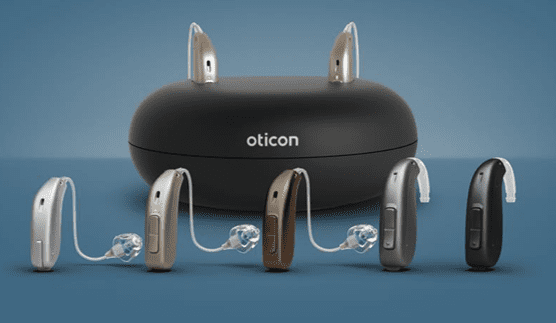
Oticon Ruby miniRITE R rechargeable hearing aids offer a full day* of power with an overnight charge. The charger helps provide a stable, reliable magnetic connection for charging that delivers power throughout the day, including streaming, with a three-hour charging time. A 30-minute recharge provides an additional six hours of power, according to Oticon.
With 2.4 GHz Bluetooth low-energy technology, Oticon Ruby helps deliver “easy wireless connectivity with low battery consumption to a wide range of devices such as smartphones, audio or music streams in stereo to both hearing aids from Bluetooth-connected mobile phones, MP3 players, PCs, and more.” Patients can pair Oticon Ruby with multiple TV Adapters and use the Oticon ON App to stream from any TV. The Oticon ON App also lets patients adjust volume, switch settings, check battery level, and access features such as Find My Hearing Aid and Oticon HearingFitness.
Keynsham ear wax removal
Oticon Ruby is available in a full lineup of styles, including miniRITE, miniRITE T (telecoil), miniRITE R (rechargeable), BTE and BTE Power Plus, and five popular colours. Oticon Ruby is compatible with Oticon CROS hearing aids.
https://www.keynshamhearing.co.uk/wp-content/uploads/2019/03/logo-300x79.png00adminhttps://www.keynshamhearing.co.uk/wp-content/uploads/2019/03/logo-300x79.pngadmin2020-07-20 11:51:082020-07-20 11:51:08Oticon Launches Ruby Hearing Aid for Budget-Conscious Patients
Researchers Look at Potential Link between Coronavirus and Hearing Loss
An article in The Conversation—a network of not-for-profit media outlets that publish news stories written by academics and researchers—provides a systematic review of the literature around COVID-19 and hearing loss.
The authors point out that coronaviruses, in some cases, can cause peripheral neuropathy, and, ”in theory..COVID-19 could cause auditory neuropathy, a hearing disorder where the cochlea is functioning but transmission along the auditory nerve to the brain is impaired.” Further, they say, auditory neuropathy has been linked with Guillain-Barré syndrome, which is associated with COVID-19.
There is no conclusive link between hearing loss and COVID-19 at this time, but the authors stress the need to continue researching and monitoring any potential outcome.
https://www.keynshamhearing.co.uk/wp-content/uploads/2019/03/logo-300x79.png00adminhttps://www.keynshamhearing.co.uk/wp-content/uploads/2019/03/logo-300x79.pngadmin2020-07-06 10:44:462020-07-06 10:44:46Researchers Look at Potential Link between Coronavirus and Hearing Loss
Apple Takes Another Step Toward Hearing Aid Functionality
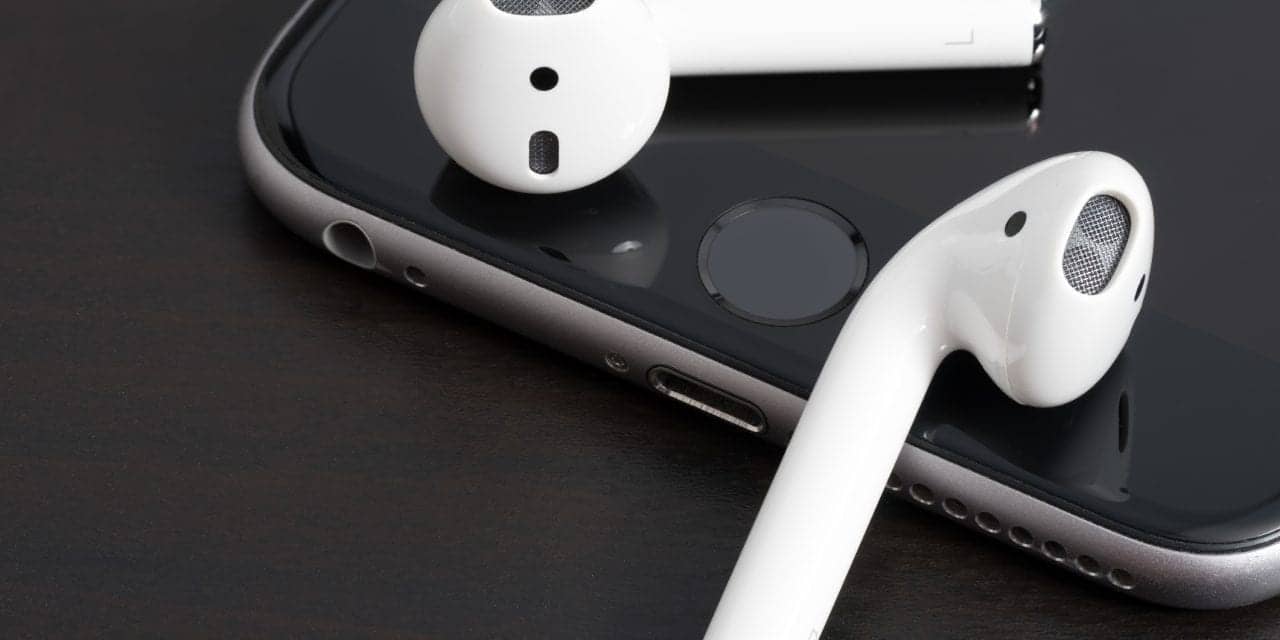
On Monday, June 22, Apple introduced its latest operating system, iOS14, which includes —among many new features—a substantial move towards its AirPod Pros becoming a hearing-aid-like device. Almost buried as an afterthought at the bottom of Apple’s IOS New Features Preview are identical entries in the “Airpods” and “Accessibility” sections that say:
Headphone Accommodations
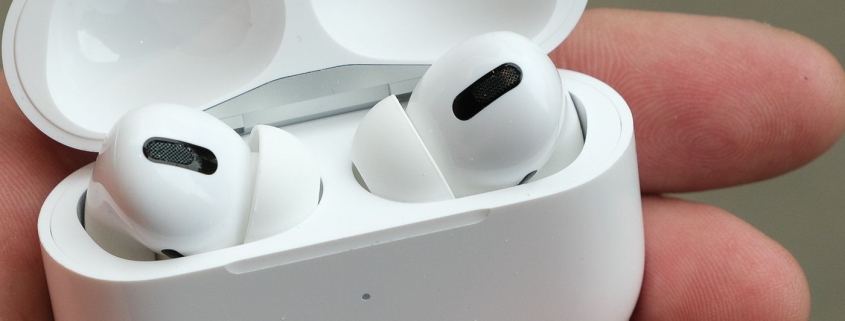
This new accessibility feature is designed to amplify soft sounds and adjust certain frequencies for an individual’s hearing, to help music, movies, phone calls, and podcasts sound more crisp and clear.Headphone Accommodations also supports Transparency mode on AirPods Pro, making quiet voices more audible and tuning the sounds of your environment to your hearing needs.
Hmmm…sounds a lot like a basic description of wide dynamic frequency compression (WDRC) or AGC, doesn’t it? Abram Bailey of Hearing Tracker, who broke the news yesterday, stated “This is the extremely exciting part, as it indicates that AirPods can now essentially be used to provide typical hearing aid functionality; applying personalised amplification to make it easier to hear those around you.” Bailey went on to show how the headphone accommodations use a custom audio setup with a listening test that generates an “audiogram” from the Apple Health app that “seems to indicate that the AirPods Pro will be capable of providing a very fine-tuned custom amplification experience, based on the audiogram (pitch-by-pitch hearing abilities) unique to the user.”
It should be acknowledged that Apple has for many years been developing hearing-aid-related features, including Live Listen for hearing aids and cochlear implants in 2014 (and later for AirPods and the Earpods), in addition to speech audiometry and speech-in-noise packages for developers, noise warning apps for its WatchOS, and more. The company sold more than 60 million Airpods in 2019, compared to about 15 million hearing aids worldwide for the entire hearing industry (4.2 million units in the US). Apple’s Wearables, Home and Accessories division had the most significant year-on-year growth for the company last year, with its sales increasing 41% thanks to the Airpod and Apple Watch, and the tech-giant owns an enviable 36.5% of the wearables market, according to CompareCamp. Mind you, this includes the “hearables” market that Nick Hunn predicted earlier this year will reach $80 billion a year by 2025.
As Paul Dybala, PhD, AuD, of AudiologyDesign points out in a recent LinkedIn post about Apple and its threat to the hearing industry, “If none of this impresses you, buy a pair of AirPod Pros and turn on the Active Noise Cancelling feature. Then change them over to Transparency Mode and listen further. Once you wipe your jaw off the floor, continue reading. Take your time, I’ll wait…” However, he then goes on to point out that hearing loss is widely viewed as a healthcare problem that should be addressed by a hearing healthcare professional, as shown in a 2017 survey by a study he did with colleague Brande Plotnick at Healthy Hearing.
**************
As a side-note, I’ve personally tried several of the products and hearing tests available in some of the better PSAPs. As one example, Alango Technology’s BeHear app did an impressive job of replicating an audiogram of my own mild sloping hearing loss and tailoring the sound to suit my preferences. The idea of an app doing this also reminded me of a September 2018 Hearing Reviewarticle by James Jerger, PhD, who—after describing three basic forms of automated audiometry—wrote:
“The most important issue is to catch up with the rest of the automated world…In spite of the many examples of successful automated systems summarised above, I suspect that there will be little further progress in the actual clinical use of automated audiometry of any variety until clinicians become part of the solution. It goes back to their initial educational experience. If the only procedure they learn as students is the manual Hughson-Westlake method on a conventional audiometer, it is unlikely that they will be easily diverted from that familiar path, sophisticated technology notwithstanding. PhD and AuD students—in addition to practicing clinicians—need to understand that automated audiometry can be carried out by less credentialed personnel, resulting in time and cost savings in a clinical setting. It is apparent this testing is moving into the digital/consumer realm [with the link going to Apple’s WDDC 2018 video that includes a demonstration of speech audiometry].
The point is professional hearing healthcare is so much more than automated tests and apps. As Dr Dybala notes in his article, it’s about assessing an often-complex medical problem and applying all of the tools available to tailor an individual solution that works for the patient in all kinds of listening situations, including (and especially) noise. However, as shown by Apple and others, the world of hearables with their automated testing and applied amplification should help millions of consumers make their first moves toward professional hearing care.
https://keynshamhearing.co.uk/wp-content/uploads/2020/06/Apple-earpods.jpg14001400adminhttps://www.keynshamhearing.co.uk/wp-content/uploads/2019/03/logo-300x79.pngadmin2020-06-30 19:13:482020-06-30 19:13:48Apple Takes Another Step Toward Hearing Aid Functionality
Treatment of Ménière’s Disease and Vertigo with Intranasal Betahistine
Auris Medical Holding AG, a Swiss-based clinical-stage public company (NASDAQ: EARS) dedicated to developing therapeutics in otolaryngology, has announced it will develop betahistine dihydrochloride in a spray formulation (with the product name AM-125) for the intranasal treatment of Ménière’s disease and vestibular vertigo. This represents the third clinical-stage development program to Auris Medical’s pipeline, and an expansion by the company into the field of vestibular disorders. Auris is also developing a drug for idiopathic sudden sensorineural hearing loss (ISSNHL, sudden hearing loss) and acute inner ear tinnitus.
“We are excited to add AM-125 to our development pipeline as it addresses important unmet medical needs in vestibular disorders and serves as a strategic fit with our existing projects,” said Auris Medical’s Founder, Chairman and CEO Thomas Meyer in a press statement. “While oral betahistine has been a mainstay treatment for Ménière’s disease and vestibular vertigo for many years and in many countries around the world, we expect the novel approach of intranasal delivery to offer significant additional benefits in terms of efficacy and tolerability.”
Auris Medical reports that it has entered into an agreement with Otifex Therapeutics Pty Ltd to purchase various assets related to intranasal betahistine, including preclinical and clinical data, as well as certain intellectual property rights. In a Phase 1 trial conducted by Otifex, intranasal betahistine showed good tolerance and a significantly higher bioavailability than reported for oral betahistine administration. Auris Medical plans to initiate a second Phase 1 trial in 2017.
“As our treatment options for vestibular disorders are currently very limited in the United States, I am pleased to see that betahistine will be developed as a treatment for patients here who are suffering from Ménière’s disease or vestibular vertigo,” said Lawrence R. Lustig, MD, Chair, Department of Otolaryngology at Columbia University Medical Center in the press release. “The compound has an established track record for safety, and the clinical experience suggests that it may help control or ease vertigo attacks in Ménière’s disease. It will be exciting to have a new treatment for this disabling condition.”
According to Auris Medical, Betahistine is a small molecule drug that acts as a partial histamine H1-receptor agonist and a H3-receptor antagonist. The compound has demonstrated increased cochlear, vestibular, and cerebral blood flow, vestibular compensation, and the ability to inhibit neuronal firing in the vestibular nuclei.
Oral betahistine is approved for the treatment of Ménière’s disease and vestibular vertigo in more than 80 countries worldwide, and has been reportedly prescribed more than 130 million patients. However, betahistine has not been approved for marketing in the United States for the past few decades.
The brand Serc (betahistine) was approved by the FDA in the early 1970s as vestibular suppressant for Ménière’s disease, but that approval was withdrawn after about 5 years. Primarily, the drug has had issues surrounding its clinical trials and subsequent proof of efficacy. Even though studies have shown betahistine effective against vertigo attacks, most of these studies have been criticized for design flaws. The Cochrane Library concluded in 2001 that “Most trials suggested a reduction of vertigo with betahistine and some suggested a reduction in tinnitus but all these effects may have been caused by bias in the methods. One trial with good methods showed no effect of betahistine on tinnitus compared with placebo in 35 patients. None of the trials showed any effect of betahistine on hearing loss. No serious adverse effects were found with betahistine.”
Update on Auris Medical Tinnitus Trials
Auris Medical also announced last week that it has resumed patient enrollment in the TACTT3 Phase 3 trial of Keyzilen® (AM-101) in acute and post-acute inner ear tinnitus. According to Reuters, the company experienced a set-back in August when the drug missed the main goals of a late-stage study by failing to meet the two co-primary effectiveness goals of statistically significant changes in tinnitus loudness and tinnitus burden compared to a placebo.
“Following the swift approval by regulatory agencies and ethics committees, we are pleased to resume enrollment under the amended protocol in the TACTT3 Phase 3 clinical trial of Keyzilen,” said Meyer. “We have applied key learnings from the TACTT2 trial that we believe substantially strengthen TACTT3’s probability of success, and we look forward to top-line results in early 2018.”
TACTT3, which is being conducted in Europe, is a randomized, double-blind, placebo-controlled Phase 3 trial in inner ear tinnitus following traumatic cochlear injury or otitis media. The trial previously enrolled more than 300 patients during the acute tinnitus stage (Stratum A) and approximately 330 patients during the post-acute tinnitus stage (Stratum B). As previously announced, the TACTT3 protocol was amended based on analysis of the TACTT2 Phase 3 trial outcomes. The amended protocol elevates the Tinnitus Functional Index score from a key secondary endpoint to an alternate primary efficacy endpoint, includes certain patient subgroups in confirmatory statistical testing, and increases the trial size with the enrollment of an additional 60 patients in each of Stratum A and B.
https://keynshamhearing.co.uk/wp-content/uploads/2020/06/Honiton-hearing-Treatment-of-Ménière’s-Disease-and-Vertigo-with-Intranasal-Betahistine-.jpg528620adminhttps://www.keynshamhearing.co.uk/wp-content/uploads/2019/03/logo-300x79.pngadmin2020-06-22 13:36:222020-06-22 13:36:22Treatment of Ménière’s Disease and Vertigo
This website uses cookies so that we can provide you with the best user experience possible. Cookie information is stored in your browser and performs functions such as recognising you when you return to our website and helping our team to understand which sections of the website you find most interesting and useful.
Strictly Necessary Cookies
Strictly Necessary Cookie should be enabled at all times so that we can save your preferences for cookie settings.
If you disable this cookie, we will not be able to save your preferences. This means that every time you visit this website you will need to enable or disable cookies again.