Keynsham Hearing Centre
  • Facebook
  • Home
  • Testimonials
  • Video
    • Earwax Removal Keynsham
    • #615 (no title)
    • Ear syringing.. How it was
    • Hopi candle truth 2020
    • Unitron Hearing Aid
    • GN Sports Lock Retention Wire
    • Hearing Test Information
    • Fitting Hearing Aid Battery
  • Sound Proof Room
  • Hearing Aids
  • Noise Protection
  • Microsuction
  • Contact
  • News
  • Search
  • Menu
Hearing aids Bristol, News

Widex Launches Moment Hearing Device

Widex-moment-hearing-aids-Bristol

Widex Launches Moment Hearing Device


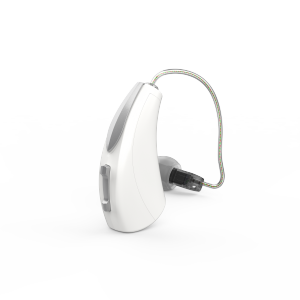
Widex Moment Hearing Device available at the Keynsham hearing centre

Widex announced the launch of the Moment, a device that has “broken new ground by addressing one of the great unsolved challenges in the industry—no matter how good the sound, it still sounds like a hearing aid.”

Widex Moment hearing aids at the Keynsham hearing centre

According to Widex, “hearing aids can sound ‘tinny’ and ‘artificial’—which often prevents their adoption by those with hearing loss—when sound processed in the hearing aid reaches the eardrum a split second later than the sound that travels directly through or around the hearing aid’s ear-tip.”

Widex is reportedly “the first in the industry to eliminate that ‘out of sync’ sound for patients with mild to moderate hearing loss, without sacrificing the trademark Widex natural sound—which already has the lowest time delay compared to competitors.”

According to Lise Henningsen, Global Head of Audiology at Widex, this launch marks a fundamental shift not just for the hearing aid industry, but also for a general consumer public plagued by hearing loss at increasingly young ages.

“To lose your sense of hearing is to lose a fundamental part of yourself, often resulting in increased social isolation, subsequent depression, and other downstream psychological and neurological effects,” she said. “Though the traditional hearing aid has made tremendous strides in areas such as speech intelligibility, active noise cancellation, and more, a key frontier has been left uncharted—until today. Widex Moment doesn’t just allow you to hear better, it restores one’s sense of perfectly natural hearing, as you remember it before any loss occurred.”

The Widex Moment platform achieves this hearing experience by leveraging two distinct signal pathways. The ‘classic’ Widex signal pathway is paired with a second ultra-fast signal pathway that adds extra gearing to the platform, the company says.

The Widex ZeroDelay™ Accelerator reduces the processing delay between microphone and receiver to below 0.5 milliseconds, which Widex says enables the two sound signals to meet at virtually the same time in the eardrum, helping eliminate the artificial sound quality and creating a more natural sound experience. This new sound experience is called Widex PureSound™.

However, though Widex Moment “breaks new ground in the area of sound purity, it doesn’t do so at the expense of other cutting-edge features—such as rechargeability and smart streaming to electronic devices—found in the industry’s most state-of-the-art hearing aids and demanded by tech-savvy consumers.”

Widex Moment has what the company says is “the smallest lithium-ion rechargeable RIC on the market, ensuring that no matter one’s lifestyle users will never miss a moment.” Furthermore, Widex Moment’s smart streaming capabilities are said to offer “robust connectivity to the devices one uses every day (iOS and Android).”

Widex Moment also comes compatible with the SoundSense Learn smartphone app, which leverages AI and machine learning to personalise one’s hearing experience and create hearing programs based on a user’s typical environments—a daily commute, an open-office floor plan, a favourite restaurant, and more.

The app gathers a variety of anonymous data such as how often the user adjusts the volume, which sound presets they most regularly use, and how many custom settings they create. Based on these real-world preferences, a complete personalized listening experience is created for the user. These adjustments and custom settings can then also be shared directly and securely with their hearing care professional, which helps the professional tailor their consultation more and improve their service.

“The future of hearing aids will be unlocked through the combination of perfectly natural sound with the latest in streaming, rechargeability, and customisation—and that’s exactly what we’ve created with Widex Moment,” said Henningsen. “We’re breaking down the hearing aid stigma, across all generations, by equipping users with a way to experience one’s natural hearing, customised for any environment, while enabling connectivity with all of your favorite apps and devices. It’s a seminal moment for not just our hearing aid industry but for the technology industry, in general.”

Widex Moment is available in 13 colours and six different styles and is available for purchase. For more information on WIDEX, click here.

Source: Widex

Images: Widex

9th March 2020/by admin
https://keynshamhearing.co.uk/wp-content/uploads/2020/03/Widex-moment-hearing-aids-Devon.jpg 427 640 admin https://www.keynshamhearing.co.uk/wp-content/uploads/2019/03/logo-300x79.png admin2020-03-09 11:11:522020-03-09 11:11:52Widex Launches Moment Hearing Device
Hearing aids Bristol, Hearing test Bristol, News

Starkey Introduces Livio Edge AI

Keynsham hearing centre, Bath hearing centre, Bristol hearing centre,

Starkey Introduces Livio Edge AI


Starkey Introduces Livio Edge AI-Keynsham hearing

Building on the success of “the world’s first Healthable hearing aid,” Livio AI, Starkey announces the release of Livio Edge AI. Livio Edge AI is said to “combine the best of both worlds: industry-leading sound quality and sound processing for challenging listening environments.” With a simple double tap, Edge Mode helps bring “the power of artificial intelligence to a patient’s fingertips, by instantaneously conducting an AI-based analysis of the acoustic environment and making immediate adjustments,” according to the company.

“As a global leader in innovation, Starkey continues to defy the limits of what others thought was possible,” said Starkey CEO Bill Austin. “By using artificial intelligence, we’ve transformed the hearing aid into a tool that can unlock the ear’s ability to be a source of complex biological information. In doing so, we’re bridging the gap between a patient’s hearing health and their overall health and wellness.”

As part of this new product launch, Starkey introduces “the world’s first 2.4 GHz lithium-ion ITC and ITE custom rechargeable hearing aids.”

A variety of other new features includes improvements to the usability and performance of the Thrive Hearing Control app, a 2.4 GHz Table Microphone with eight built-in microphones to help users enjoy group settings, and AI for all. This means Livio AI is now available in the 2000, 1600, 1200, and 1000 technology tiers.

“We are proud to be leading the hearing industry at the speed of innovation,” said Starkey President Brandon Sawalich. “Livio AI broke barriers by becoming the first hearing aid to use artificial intelligence to monitor body and brain activity. It even achieved high-profile recognition from the likes of TIME Magazine, but, at Starkey, we don’t rest on our laurels. We continue to push ourselves to make the impossible possible, so we can help people live better lives through better hearing.”

For more information on the new products available now, please click here. 

Source: Starkey

Images: Starkey

2nd March 2020/by admin
https://keynshamhearing.co.uk/wp-content/uploads/2020/03/Livio-Edge-AI-Honiton-hearing.jpg 320 640 admin https://www.keynshamhearing.co.uk/wp-content/uploads/2019/03/logo-300x79.png admin2020-03-02 10:35:192020-03-02 10:36:04Starkey Introduces Livio Edge AI
News

Starkey Livio AI at Keynsham

Livio AI Now Compatible with Samsung Galaxy S10 and Note 10 Smartphones

|     

Livio AI Now Compatible with Samsung Galaxy S10 and Note 10 Smartphones-Keynsham hearing centre Bristol

Starkey announced that Livio AI is now compatible with “more devices than ever before,” including direct streaming support from the latest in Samsung’s smartphones. This capability expands Starkey’s streaming offering to Samsung Galaxy S10, S10+, and Note 10 smartphones, leveraging all the power-saving benefits of Bluetooth® Low Energy.

“This new ability to stream directly from Samsung smartphones to Livio AI will allow Starkey to continue to expand its global footprint,” said Achin Bhowmik, PhD, Starkey’s Chief Technology Officer and Executive Vice President of Engineering. “Samsung smartphones are used around the world. This new compatibility will substantially increase the number of people who can access the groundbreaking technology that Livio AI offers.”

Livio AI is reportedly “the only hearing aid to use artificial intelligence to monitor brain and body activity, allowing people of all ages to take a proactive approach to their overall wellness,” according to Starkey. These devices continue to earn recognition inside and outside of the hearing industry, including TIME’s list of Best Inventions of 2019 and The Verge’s list of 100 best gadgets of the decade.

“We are pleased to have a chance to work with Starkey to incorporate the function for the hearing impaired in our devices,” said Jong-Mu Choi, head of convergence R&D for Samsung Electronics. “We look forward to our continued partnership, as we develop new technologies.”

Source: Starkey

16th February 2020/by admin
https://www.keynshamhearing.co.uk/wp-content/uploads/2019/03/logo-300x79.png 0 0 admin https://www.keynshamhearing.co.uk/wp-content/uploads/2019/03/logo-300x79.png admin2020-02-16 20:50:292020-02-16 20:51:02Starkey Livio AI at Keynsham
Hearing aids Bristol, News

Widex Unveils BEYOND Hearing Aid Keynsham

Widex-Beyond-hearing-aids-Keynsham-hearimg-centre

Widex Unveils BEYOND Hearing Aid with Advanced Connectivity


Keynsham hearing Blog    


Widex Unveils BEYOND Hearing Aid with Advanced Connectivity

With an intuitive swipe-function app, personalised sound programs, and multiple ways of connecting, the just-unveiled Widex BEYOND made-for-iPhone hearing aid is designed to deliver a high level of connectivity and sound.

According to Widex, BEYOND provides exceptional 2.4 GHz direct connectivity, while advanced TRI-LINK™ technology lets wearers instantly connect to iPhones, T-coils and a full range of DEX communication solutions. An integrated signal processing chip-set design, with 100% independent channel separation, minimal delay filters and 4 A/D converters, means BEYOND offers the cleanest sound of any hearing aid in the industry–even while streaming, reports Widex.

The company says that what makes Widex BEYOND special is its easy-to-use and customisable made-for-iPhone app. It allows full streaming functionality and control over the listening environment so hearing aid wearers are seamlessly connected anywhere and anytime – and provides unparalleled connectivity between their hearing aids. The app interface can be personalised by wearers, and also utilises the familiar swipe functionality for easy navigation – so users can quickly and easily navigate through various intuitive commands and screens.

Other BEYOND highlights include:

  • A clean sound hearing aid rated by wearers as significantly better than others. Brilliant sound – even when streaming.
  • Up to 30% better speech understanding in wind with the SMARTWIND MANAGER™ that significantly reduces wind noise annoyance
  • Better power consumption than many made-for-iPhone streaming hearing aids; with PowerSaver Plus™ technology, designed specifically for the demands of connectivity
  • Soft Level Noise Reduction that allows soft speech sounds to be heard, while reducing bothersome soft noises
  • WidexLink™ – the supreme InterEar communication technology

Widex BEYOND app, available at the Keynsham hearing centre

Widex-Beyond-hearing-aids-Keynsham-hearimg-centre

Widex-Beyond-hearing-aids-Keynsham-hearing-centre

According to Widex USA President Jeffrey Geigel, Widex BEYOND is ahead of the game when it comes to made-for-iPhone hearing technology. “Widex is already known for leading technology and sound, but now we allow the end-users to control that sound from their pockets via their iPhone.”

“BEYOND was already presented at EUHA in Germany to great success–it created a lot of positive attention,” added Widex CEO Jørgen Jensen adds. “We are proud to have a product that sets new standards. Our customers live active lives, and BEYOND really helps them live their lives the way they want.”

Widex is a global hearing aid technology company and has been developing hearing aids for 60 years. Widex products are sold in more than 100 countries around the world, and the company employs over 3,800 people worldwide.

Source: Widex

9th February 2020/by admin
https://keynshamhearing.co.uk/wp-content/uploads/2020/02/Widex-Beyond-hearing-aids-Honiton-hearing-Devon.jpg 500 500 admin https://www.keynshamhearing.co.uk/wp-content/uploads/2019/03/logo-300x79.png admin2020-02-09 16:59:512020-02-09 16:59:51Widex Unveils BEYOND Hearing Aid Keynsham
News

Researchers Find Two Biomarkers Involved in Speech in Noise

Researchers Find Two Biomarkers Involved in Speech in Noise


As reported on The hearing review.com

A pair of biomarkers of brain function—one that represents “listening effort,” and another that measures ability to process rapid changes in frequencies—may help to explain why a person with normal hearing may struggle to follow conversations in noisy environments, according to a new study led by Massachusetts Eye and Ear researchers and summarised on the hospital’s website. Published online last week in the scientific journal eLife, the study could inform the design of next-generation clinical testing for hidden hearing loss, a condition that cannot currently be measured using standard hearing exams.

“Between the increased use of personal listening devices or the simple fact that the world is a much noisier place than it used to be, patients are reporting as early as middle age that they are struggling to follow conversations in the workplace and in social settings, where other people are also speaking in the background,” said senior study author Daniel B. Polley, PhD, director of the Lauer Tinnitus Research Center at Mass. Eye and Ear and Associate Professor of Otolaryngology Head-Neck Surgery at Harvard Medical School. “Current clinical testing can’t pick up what’s going wrong with this very common problem.”

Daniel B. Polley, PhD

“Our study was driven by a desire to develop new types of tests,” added lead study author Aravindakshan Parthasarathy, PhD, an investigator in the Eaton-Peabody Laboratories at Mass. Eye and Ear. “Our work shows that measuring cognitive effort in addition to the initial stages of neural processing in the brain may explain how patients are able to separate one speaker from a crowd.”

Hearing loss affects an estimated 48 million Americans and can be caused by noise, aging, and other factors. Hearing loss typically arises from damage to the sensory cells of the inner ear (the cochlea), which convert sounds into electrical signals, and/or the auditory nerve fibers that transmit those signals to the brain. It is traditionally diagnosed by elevation in the faintest sound level required to hear a brief tone, as revealed on an audiogram, the gold standard test of hearing sensitivity.

Aravindakshan Parthasarathy, PhD

Hidden hearing loss, on the other hand, refers to listening difficulties that go undetected by conventional audiograms and are thought to arise from abnormal connectivity and communication of nerve cells in the brain and ear, not in the sensory cells that initially convert sound waves into electrochemical signals. Conventional hearing tests were not designed to detect these neural changes that interfere with our ability to process sounds at louder, more conversational levels.

In the eLife report, the study authors first reviewed more than 100,000 patient records over a 16-year period, finding that approximately 1 in 10 of these patients who visited the audiology clinic at Mass. Eye and Ear presented with complaints of hearing difficulty, yet auditory testing revealed that they had normal audiograms.

Motivated to develop objective biomarkers that might explain these “hidden” hearing complaints, the study authors developed two sets of tests. The first measured electrical EEG signals from the surface of the ear canal to capture how well the earliest stages of sound processing in the brain were encoding subtle but rapid fluctuations in sound waves. The second test used specialized glasses to measure changes in pupil diameter as subjects focused their attention on one speaker while others babbled in the background. Previous research shows changes in pupil size can reflect the amount of cognitive effort expended on a task.

They then recruited 23 young or middle-aged subjects with clinically normal hearing to undergo the tests. As expected, their ability to follow a conversation with others talking in the background varied widely despite having a clean bill of hearing health. By combining their measures of ear canal EEG with changes in pupil diameter, they could identify which subjects struggled to follow speech in noise and which subjects could ace the test. The authors are encouraged by these results, considering that conventional audiograms could not account for any of these performance differences.

“Speech is one of the most complex sounds that we need to make sense of,” Polley said. “If our ability to converse in social settings is part of our hearing health, then the tests that are used have to go beyond the very first stages of hearing and more directly measure auditory processing in the brain.”

In addition to Drs Polley and Parthasarathy, co-authors on the eLife report include Kenneth E. Hancock of Mass. Eye and Ear/Harvard Medical School, Kara Bennett of Bennett Statistical Consulting, Inc, and Victor DeGruttola of the Harvard T. H. Chan School of Public Health. This study was supported by the National Institutes of Health (NIDCD P50-DC015857).

Original Paper: Parthasarathy A, Hancock KE, Bennett K, DeGruttola V, Polly DB. Bottom-up and top-down neural signatures of disordered multi-talker speech perception in adults with normal hearing. eLife. 2020;9:e51419.

Source: Mass. Eye and Ear, eLife


We would like to mention that we recommend for Wiltshire ear wax removal try the new clinic in Devizes.  

2nd February 2020/by admin
https://keynshamhearing.co.uk/wp-content/uploads/2019/03/video-microsuction-wax-removal.png 610 1082 admin https://www.keynshamhearing.co.uk/wp-content/uploads/2019/03/logo-300x79.png admin2020-02-02 19:06:532020-02-02 19:06:53Researchers Find Two Biomarkers Involved in Speech in Noise
Hearing aids Bristol, News

Hearing Aids May Lead to Lower Rates of Dementia

Keynsham hearing centre, Bath hearing centre, Bristol hearing centre

Hearing Aids May Lead to Lower Rates of Dementia, Depression, and Anxiety


According to a report, hearing Aids May Lead to Lower Rates of Dementia, Depression, and Anxiety


This article appeared September 2019 in the Hearing review


Older adults who get a hearing aid for a newly diagnosed hearing loss have a lower risk of being diagnosed with dementia, depression, or anxiety in the following three years, and a lower risk of suffering fall-related injuries, than those who leave their hearing loss uncorrected, a new study finds. A summary of the study’s findings were published on the University of Michigan’s website.

Bristol hearing

Yet only 12% of those who have a formal diagnosis of hearing loss actually get the devices—even when they have insurance coverage for at least part of the cost, the study shows. It also reveals gaps in hearing aid use among people of different racial and ethnic backgrounds, geographic locations, and genders.

The findings, made by a University of Michigan team using data from nearly 115,000 people over age 66 with hearing loss and insurance coverage through a Medicare HMO between 2008 and 2016, are published in the Journal of the American Geriatrics Society.

Unlike traditional Medicare, Medicare HMOs typically cover some hearing aid costs for members diagnosed with hearing loss by an audiologist.

Elham Mahmoudi, MBA, PhD, the U-M Department of Family Medicine health economist who led the study, says it confirms what other research has shown among patients studied at a single point in time—but the new findings show differences emerging as time goes on.

Ear wax removal Bristol

“We already know that people with hearing loss have more adverse health events, and more co-existing conditions, but this study allows us to see the effects of an intervention and look for associations between hearing aids and health outcomes,” she says.

“Though hearing aids can’t be said to prevent these conditions, a delay in the onset of dementia, depression, and anxiety, and the risk of serious falls, could be significant both for the patient and for the costs to the Medicare system.”

Long-term Tracking

Mahmoudi and her colleagues at the U-M Institute for Healthcare Policy and Innovation looked at anonymous insurance data to perform the study, and looked at the data for each person with hearing loss one year before their diagnosis, and three years after, so they could see only newly diagnosed dementia, depression, anxiety, and fall injuries.

They intend to keep studying further data from this population, to see if the differences in health outcomes continue beyond three years.

The study shows that men with hearing loss were more likely to receive a hearing aid—13.3% compared with 11.3% of women. Only 6.5% of people of Latino heritage received a hearing aid for their hearing loss, compared with 9.8% of African-Americans and 13.6% of whites.

Nearly 37% of people with hearing loss who lived in the north-central part of the country, as designated by the Census Bureau, used a hearing aid, compared with just 5.9% of people in the mountain states.

Differences in Diagnosis

When the researchers looked at the path that patients who received hearing aids took over three years, compared with those who didn’t get the devices, significant differences emerged.

In all, the relative risk of being diagnosed with dementia, including Alzheimer’s disease, within three years of a hearing loss diagnosis was 18% lower for hearing aid users. The risk of being diagnosed with depression or anxiety by the end of three years was 11% lower for hearing aid users, and the risk of being treated for fall-related injuries was 13% lower.

The study also confirms previous studies’ findings that people with hearing loss had much higher rates of dementia, depression, and fall injuries than the general population.

The reasons for this are complicated, and can include loss of social interaction, loss of independence, loss of balance, and less stimulation to the brain. Some researchers also believe that the loss of nerve impulses from the ear to the brain, and loss of cognitive ability leading to dementia, could be part of the same ageing process.

What’s to Come

The study only included individuals who billed their insurance company for part of the cost of their hearing aid, Mahmoudi notes. The coming of FDA-approved over-the-counter hearing aids in 2020 for people with mild to moderate hearing loss could make the devices much more accessible for many people.

But those new devices could also complicate researchers’ ability to study the effects of hearing aids on other health outcomes, if people don’t use insurance coverage and researchers can’t tell if they have one.

“Correcting hearing loss is an intervention that has evidence behind it, and we hope our research will help clinicians and people with hearing loss understand the potential association between getting a hearing aid and other aspects of their health,” says Mahmoudi.

She notes that Medicaid in the state of Michigan is now covering hearing aid testing, fitting, and purchase, since a policy change in 2018, and that it will be important to study impacts in this population as well.

In addition to Mahmoudi, the new study’s authors are IHPI statisticians Tanima Basu, MS and Neil Kamdar, MA, and IHPI members Kenneth Langa, MD, PhD, Michael M. McKee, MD, MPH, Phillip Zazove, MD, and Neil Alexander, MD. Langa and Alexander are professors in the U-M Department of Internal Medicine; McKee and Zazove are assistant professor and chair, respectively, of the U-M Department of Family Medicine. Langa also holds faculty positions in the U-M Institute for Social Research and the VA Ann Arbor Center for Clinical Management Research.

Original Paper: Mahmoudi E, Basu T, Langa K, et al. Can hearing aids delay time to diagnosis of dementia, depression, or falls in older adults? Journal of the American Geriatrics Society. 2019. DOI: https://doi.org/10.1111/jgs.16109

Source: University of Michigan, Journal of the American Geriatrics Society

19th January 2020/by admin
https://keynshamhearing.co.uk/wp-content/uploads/2019/05/Keynsham-Hearing-Centre-ear-wax-removal-hearing-aids-Bath-Bristol-Somerset.jpg 360 640 admin https://www.keynshamhearing.co.uk/wp-content/uploads/2019/03/logo-300x79.png admin2020-01-19 17:02:022020-01-19 17:02:02Hearing Aids May Lead to Lower Rates of Dementia
News

New hearing for 2020

Oticon hearing aids, Hearing aids Bristol, hearing aids Bath Somerset,

New you, new hearing for 2020


So the new year and new decade is here. As loud as the T.V. maybe you still are 100% sure you don’t need at the very least a hearing test. You are not that bothered that your granddaughters first few words are unheard by you or that the gossip from the next door neighbour just isn’t as good as it used to be.  She talks so quietly these days you really are tired of straining to hear.

Maybe the Postman just didn’t push the doorbell hard enough as you were in when he called and you missed that package that you were waiting in all day for an now you have to go 14 mies to the sorting office with I.D. to make the collection.. At rush hour!

These little annoyances crammed with so many others it would take more than the internet to tell them all, maybe down to one thing? Your hearing maybe not as it once was (understatement possibly).

Hearing tests at the Keynsham hearing centre Bristol

Here at Keynsham Hearing we get to see many reluctant men and women who have for years put off what we all know. We are all getting older and really annoyingly we are hard of hearing! Or DEAF!

There we said it.  Now we have that out there is usually a huge relief as it’s not as bad as you think.  These days there is a huge difference in how hearing can be corrected in the main part. Tech is smaller, fancier and more connected than ever before.

We do understand the stigma attached to admitting that your hearing is not what it used to be. We also understand hearing is vital for people to stay connected with their family and daily lives.

Ear wax removal Keynsham Somerset

If you feel that you or someone you love could do with knowing just what their hearing is really like then we are happy to conduct a simple hearing tests and go from there. It may even by a simple ear wax issue that can be corrected in minutes.

Hearing can be corrected. Keynsham Bath, Bristol

The latest 2020 hearing aids available at the Keynsham hearing centre.


Book you appointment by calling or clicking here 


4th January 2020/by admin
https://keynshamhearing.co.uk/wp-content/uploads/2019/05/Keynsham-hearing-Centre-Oticon-opn-play.jpg 360 640 admin https://www.keynshamhearing.co.uk/wp-content/uploads/2019/03/logo-300x79.png admin2020-01-04 12:49:132020-01-04 12:49:13New hearing for 2020
Ear wax removal Bristol, Ear wax removal Keynsham Bristol, News

New report in deafness therapy

Ear wax removal Bristol, ear wax removal Bath, ear wax removal Somerset, ear wax removal Frome, ear wax removal Combe down,Lee Curran

New report in deafness therapy


New report in deafness therapy has been reported by a new scientific paper. Here at the Keynsham hearing centre are keen to keep up with the latest information to keep our patients informed.

Below is what was reported by the hearing review recently. 


High-pressure Oxygen Therapy May Help Treat Sudden Deafness, Says ‘JAMA’ Study


Keynsham hearing centre deafness experts

Bottom Line: The addition of hyperbaric oxygen therapy (where patients receive pure oxygen in a pressurised chamber) to standard medical treatment was associated with an improved likelihood that patients who experience sudden deafness might recover all or some of their lost hearing, JAMA Network announced on its website. Sudden deafness, also known as sudden sensorineural hearing loss (SSNHL), is hearing loss that happens within a few days and often has no identifiable cause. This study combined the results of 19 studies, including three randomised clinical trials, and suggests a greater benefit of adding the hyperbaric oxygen therapy may be associated with those patients who have severe to profound hearing loss and who failed to recover after standard medical treatment. A limitation of this study is that because a substantial number of patients with SSNHL will spontaneously recover, the benefits of treatment may not have been accurately evaluated.

Authors: Tae-Min Rhee, MD, DMO/UMO, National Maritime Medical Center, Changwon, Republic of Korea, and coauthors.

Original Paper: Rhee T-M, Hwang D, Lee J-S, Park J, Lee JM. Addition of hyperbaric oxygen therapy vs medical therapy alone for idiopathic sudden sensorineural hearing loss: A systematic review and meta-analysis. JAMA Otolaryngol Head Neck Surg. 2018. Available at: https://jamanetwork.com/journals/jamaotolaryngology/article-abstract/2704029

Source: JAMA Network, JAMA Otolaryngol Head Neck Surg


23rd December 2019/by admin
https://keynshamhearing.co.uk/wp-content/uploads/2019/03/testimonial-lee2.jpg 300 533 admin https://www.keynshamhearing.co.uk/wp-content/uploads/2019/03/logo-300x79.png admin2019-12-23 16:24:282019-12-23 16:24:28New report in deafness therapy
News

Bristol Tinnitus therapy at the Keynsham Hearing Centre

Tinnitus therapy Bristol

American and British Tinnitus Associations Announce Partnership

Bristol Tinnitus therapy at the Keynsham Hearing Centre


Devon Tinnitus therapy at the Honiton Hearing Centre

The American Tinnitus Association (ATA) and British Tinnitus Association (BTA) have announced their partnership to advocate for increased tinnitus research that offers progress for patients worldwide.

Torryn Brazell, ATA’s CEO, said, “Progress in tinnitus research depends upon new insights, and we believe that new alliances among scientists engaged in various aspects of auditory science can spark these insights. The BTA shares our passion for progress toward cures for tinnitus, and we are pleased to host an event where we hope powerful face-to-face conversations will take place and, hopefully, give rise to transformative ideas in research and modes of treatment. It’s an exciting opportunity to facilitate conversations among the best and brightest minds in auditory and neuroscience, and we are proud to be a host.”

Bristol Tinnitus therapy at the Keynsham Hearing Centre

Together the ATA and BTA will host a research event to bring the world’s top tinnitus researchers together. The event coincides with the Association for Research in Otolaryngology 43rd MidWinter Meeting, which will be held January 25-29, 2020, in San Jose, Calif. The networking event, underwritten by Neuromod, a company working on solutions for tinnitus, is designed to bring together leading auditory science researchers to spark discussion about new avenues in tinnitus research, as well as to promote possible multi-disciplinary partnerships.

Since joining the ATA in 2016, Brazell has worked with her counterpart David Stockdale, Chief Executive of the BTA, to ensure that people realize that tinnitus is an issue of global concern. Jill Meltzer, AuD, and Chair, ATA Board of Directors, notes that tinnitus affects approximately 10% of the population in the United States and is the number-one disability claim by our veterans. Nonetheless, she says tinnitus research is woefully underfunded considering the millions of people whose lives are diminished because of it.

Tinnitus therapy Bristol

Bristol tinnitus Therapy at the Keynsham hearing centre

“The ATA and BTA understand that tinnitus is a condition without borders, so we are using our platforms to draw attention to its prevention, treatment, and need for increased research,” Meltzer said.

“We are excited to further our partnership with the ATA by showcasing recent developments in tinnitus research to a new audience,” said Stockdale. “There has been a real focus recently on collaborative projects in the field, which have led to new knowledge and a deeper understanding of the condition. We want to bring even more people together to start even more discussions and to spark off each other, which could really push forward progress towards a cure.”

Expected dinner guests include Carol Bauer, MD, of Southern Illinois University School of Medicine; Fatima Husain, PhD, of the University of Illinois; M. Charles Liberman of Harvard; Joseph Rauschecker, PhD, DSc, University of Georgetown Medical School; Grant Searchfield, PhD, University of Auckland, Auckland, NZ, and Susan Shore, PhD, of the Kresge Hearing Research Institute at the University of Michigan. Other attendees will include members of the ATA’s Scientific Advisory Committee, which reviews seed grants to fund research aimed at discovering the underlying mechanisms of tinnitus.

See www.ATA.org for more information on the ATA, and www.tinnitus.org.uk for information on the BTA.

Source: ATA, BTA

19th December 2019/by admin
https://keynshamhearing.co.uk/wp-content/uploads/2019/12/Honiton-hearing-Tinnitus.jpg 427 640 admin https://www.keynshamhearing.co.uk/wp-content/uploads/2019/03/logo-300x79.png admin2019-12-19 16:43:392019-12-19 16:43:39Bristol Tinnitus therapy at the Keynsham Hearing Centre
Bath hearing loss centre, Ear wax removal Bristol, Ear wax removal Keynsham Bristol, Hearing aids Bristol, News

Starkey’s Livio AI Featured in ‘TIME’s 100 Best Inventions of 2019′ List

Starkey’s Livio AI Featured in ‘TIME’s 100 Best Inventions of 2019′ List

The Keynsham hearing centre are excited to learn that Starkey’s Livio AI has featured in the ”Time’s 100 Best.

Starkey Hearing Technologies announces that Livio AI, “the world’s first multi-purpose hearing aid,” has earned a place on TIME’s 100 Best Inventions of 2019 in the accessibility category. This list is said to “highlight inventions that are making the world better, smarter, and even a bit more fun.”

Bath hearing centre

Starkey Livio AI hearing aid available at the Keynsham hearing centre.

Starkey Livio AI, at Keynsham hearing

TIME uses a multi-step process to assemble the annual list. Contenders from around the world are evaluated on key factors, including originality, effectiveness, ambition, and influence. The result: One hundred groundbreaking inventions that are changing the way we live, work, play, and think about what’s possible, according to Starkey’s announcement.

Livio AI  features integrated sensors and artificial intelligence, providing what the company says is “superior sound quality and the ability to track both body and brain health.” By providing direct monitoring of physical and cognitive activity, including fall alerts and transcription features, Livio AI helps raise awareness about the connection between treating hearing loss and reducing health risks, like cognitive decline and heart disease.

Somerset hearing centre

“I’d like to thank TIME for this incredible recognition. We are humbled and proud to be on this list and in the company of other innovative companies that are truly making the world a better place,” said Starkey President Brandon Sawalich. “I’m grateful to the entire Starkey team for its relentless dedication to helping people hear better, so they can live better. Thank you for continuing to push us to break technological boundaries and transform hearing health as we know it.”

The new issue of TIME, featuring Starkey and Livio AI, goes on sale November 22.

Source: Starkey Hearing Technologies 

25th November 2019/by admin
https://www.keynshamhearing.co.uk/wp-content/uploads/2019/03/logo-300x79.png 0 0 admin https://www.keynshamhearing.co.uk/wp-content/uploads/2019/03/logo-300x79.png admin2019-11-25 11:51:472019-11-25 11:52:47Starkey’s Livio AI Featured in ‘TIME’s 100 Best Inventions of 2019′ List
Page 3 of 41234

Categories

  • Bath ear wax removal
  • Bath hearing loss centre
  • Ear wax removal Bristol
  • Ear wax removal Keynsham Bristol
  • Hearing aids Bath
  • Hearing aids Bristol
  • Hearing loss
  • Hearing test Bristol
  • News
  • Tinnitus therapy
  • Uncategorised

Latest News

  • 40 Years of hearing aid Sound Processing7th June 2021 - 9:38 am
  • ‘Forbes’ Journalist Tries Widex Moment Hearing Aids1st June 2021 - 3:30 pm
  • Bath hearing centre, Bristol hearing centre, Frome hearing centre,,Phonak Launches Naida Paradise Hearing Aid21st May 2021 - 2:42 pm
  • Ear Drum Scaffolding8th May 2021 - 3:55 pm
  • Oticon More Keynsham Hearing3rd May 2021 - 6:09 pm

Interesting Fact

A person with hearing loss will always have hearing loss, but with hearing aids they can learn to communicate more easily. Hearing aids provide a way for those who are hard of hearing to improve their quality of life.

Keynsham Hearing Centre

34 Temple Street, Keynsham,
BS31 1EH

Call us now on 0117 986 4242

email: info@keynshamhearing.co.uk

Working Hours

Monday: 9AM – 4PM
Tuesday: 9AM – 4PM
Wednesday: 9AM – 4PM
Thursday: 9AM – 4PM
Friday: Closed
Saturday: By Appointment only
Sunday: Closed
Bank holidays: Closed

Latest News

  • 40 Years of hearing aid Sound Processing7th June 2021 - 9:38 am
  • ‘Forbes’ Journalist Tries Widex Moment Hearing Aids1st June 2021 - 3:30 pm
  • Bath hearing centre, Bristol hearing centre, Frome hearing centre,,Phonak Launches Naida Paradise Hearing Aid21st May 2021 - 2:42 pm
  • Ear Drum Scaffolding8th May 2021 - 3:55 pm
© Copyright 2019-2024 Keynsham Hearing Centre - Powered by creativeminds.co.uk
  • Facebook
Scroll to top

We are using cookies to give you the best experience on our website.

You can find out more about which cookies we are using or switch them off in settings.

Keynsham Hearing Centre
Powered by  GDPR Cookie Compliance
Privacy Overview

This website uses cookies so that we can provide you with the best user experience possible. Cookie information is stored in your browser and performs functions such as recognising you when you return to our website and helping our team to understand which sections of the website you find most interesting and useful.

Strictly Necessary Cookies

Strictly Necessary Cookie should be enabled at all times so that we can save your preferences for cookie settings.

If you disable this cookie, we will not be able to save your preferences. This means that every time you visit this website you will need to enable or disable cookies again.