Keynsham Hearing Centre
  • Facebook
  • Home
  • Testimonials
  • Video
    • Earwax Removal Keynsham
    • #615 (no title)
    • Ear syringing.. How it was
    • Hopi candle truth 2020
    • Unitron Hearing Aid
    • GN Sports Lock Retention Wire
    • Hearing Test Information
    • Fitting Hearing Aid Battery
  • Sound Proof Room
  • Hearing Aids
  • Noise Protection
  • Microsuction
  • Contact
  • News
  • Search
  • Menu
Bath ear wax removal, Ear wax removal Bristol, Hearing aids Bristol

Study Shows Hair Cell Regrowth with New Drug
Study Shows Hair Cell Regrowth with New Drug


Study Shows Hair Cell Regrowth with New Drug

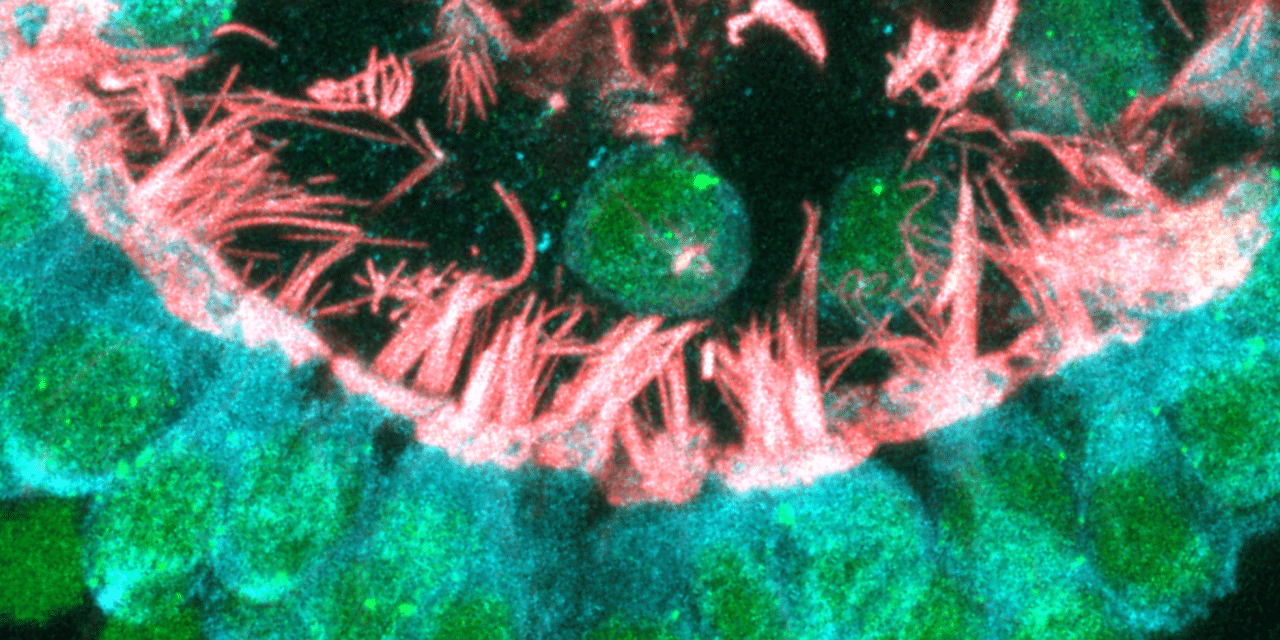
Newly formed cochlear hair cells contain intricate hair bundles with many stereocilia (critical for sensing sound) and other components that are critical for proper function and neural transmission. Credit: Will McLean

An approach to regenerate inner ear sensory hair cells reportedly lays the groundwork for treating chronic noise-induced hearing loss by the company, Frequency Therapeutics, Woburn, Mass, and its co-founders who are drawing on research from Brigham and Women’s Hospital (BWH), Harvard Medical School, Mass Eye and Ear Infirmary, and Massachusetts Institute of Technology (MIT). In the February 21, 2017 edition of Cell Reports, the scientists describe a technique to grow large quantities of inner ear progenitor cells that convert into hair cells. The same techniques are said to show the ability to regenerate hair cells in the cochlea.

Hearing loss affects 360 million people worldwide according to the World Health Organization (WHO). Inner ear hair cells are responsible for detecting sound and helping to signal it to the brain. Loud sounds and toxic drugs can lead to death of the hair cells, which do not regenerate. Humans are born with only 15,000 sensory hair cells in each cochlea, which are susceptible to damage from exposure to loud noises and medications—leading to cell death and hearing loss over time.

According to a press release from Frequency Therapeutics, sufficient numbers of mammalian cochlear hair cells have not been able to be obtained to facilitate the development of therapeutic approaches for hearing loss. The new research built on previous work to control the growth of intestinal stem cells expressing the protein Lgr5  and targeted a different population of Lgr5 cells that were discovered to be the source of sensory hair cells in the cochlea during development (a subset of supporting cells or progenitors). The team successfully identified a protocol of small molecules to efficiently grow the cochlear progenitor cells into large colonies with a high capacity for differentiation into bona fide hair cells.

Jeff Karp, PhD

Jeff Karp, PhD

“The ability to regenerate hair cells within the inner ear already exists in nature,” said Jeff Karp, PhD, of BWH and Harvard Medical School in the press release. “Birds and amphibians are able to regenerate these cells throughout their lives, which provided the base for our inspiration to find similar pathways in mammals. With our collaborators at Mass Eye and Ear Infirmary, we were able to study a small molecule approach, that we developed at MIT and BWH, to expand progenitor cells from the mouse cochlea. We believe this technique represents a major advance for hearing loss research and will enable new physiological studies as well as genetic screens using drugs, siRNA, or gene overexpression.”

The research team first focused on optimizing the expansion of Lgr5 expressing cochlear progenitor cells. With the combination of a GSK3 inhibitor to activate the Wnt signaling pathway and a histone deacetylase (HDAC) inhibitor to activate gene transcription, the research team achieved a greater than 2000-fold expansion of cochlear supporting cells compared to previous approaches. This protocol was used successfully and with consistency to generate colonies of neonatal and adult murine cells, as well as primate and human progenitor cells. Furthermore, according to the researchers, the team achieved 60-fold enhancement of hair cell production from the progenitor cells compared to current methods.

The generation of new hair cells was achieved even in cochlear tissue that had been depleted of hair cells by exposure to an ototoxic antibiotic. Importantly, hair cells produced from the protocols exhibited the same physical features, gene expression, and functionality as typical cochlear hair cells, says Frequency Therapeutics.

“This work has opened an entire field of what we call Progenitor Cell Activation (PCA), which we believe has many regenerative applications beyond hearing loss, ranging from skin-related diseases and ocular ailments to gastrointestinal diseases and diabetes,” said Will McLean, PhD, co-founder and VP, Biology and Regenerative Medicine, at Frequency Therapeutics, and the lead author of the paper. “Furthermore, the approach creates a platform with potential to explore large populations of previously difficult-to-access progenitor cell types. Drug discovery for the inner ear was limited by the inability acquire enough primary cells to explore drug targets. This approach unlocks that ability for hearing research and a variety of other fields.”

“By using Progenitor Cell Activation to restore healthy tissue within the inner ear, we’re harnessing the body’s innate ability to heal itself,” said David Lucchino, co-founder, president and CEO of Frequency Therapeutics. “Frequency’s development of a disease modifying therapeutic that can be administered with a simple injection could have a profound effect on chronic noise-induced hearing loss, our lead indication, and we are rapidly advancing this program into human clinical trials within the next 18 months,” added Chris Loose, PhD, co-founder and CSO of the company.

Frequency Therapeutics was founded to translate what the company describes as breakthrough work in Progenitor Cell Activation (PCA) by its scientific founders, Robert Langer, ScD, and Jeff Karp, PhD, into new treatments where controlled tissue regeneration with locally delivered drugs could have profound therapeutic potential. The company has licensed foundational patents from the MIT and Partners Healthcare.

Hearing Review has published several articles on work involving Lrg5, including work involving a co-author of this study, Albert Edge, PhD, and related work on blocking the notch pathway.

Original paper: McLean WJ, Yin X, Lu X, Lenz DR, McLean D, Langer R, Karp JM, Edge ASB. Clonal expansion of Lgr5-positive cells from mammalian cochlea and high-purity generation of sensory hair cells. Cell Reports. 2017;18(8):1917–1929.

Sources: Frequency Therapeutics; Brigham and Women’s Hospital; Cell Reports

14th December 2020/by admin
https://www.keynshamhearing.co.uk/wp-content/uploads/2019/03/logo-300x79.png 0 0 admin https://www.keynshamhearing.co.uk/wp-content/uploads/2019/03/logo-300x79.png admin2020-12-14 17:26:122020-12-14 17:26:12Study Shows Hair Cell Regrowth with New Drug
Bath ear wax removal, Ear wax removal Bristol

Hearing Speech Requires Quiet

Hearing Speech Requires Quiet—In More Ways than One


Hearing Speech Requires Quiet—In More Ways than One


A very interesting paper by:

 Kim Krieger, Research Writer, University of Connecticut

Perceiving speech requires quieting certain types of brain cells, report a team of researchers from UConn Health and University of Rochester in an upcoming issue of the Journal of Neurophysiology. Their research reveals a previously unknown population of brain cells, and opens up a new way of understanding how the brain hears, according to an article on the UConn Today website.

Your brain is never silent. Brain cells, known as neurons, constantly chatter. When a neuron gets excited, it fires up and chatters louder. Following the analogy further, a neuron at maximum excitement could be said to shout. When a friend says your name, your ears signal cells in the middle of the brain. Those cells are attuned to something called the amplitude modulation frequency. That’s the frequency at which the amplitude, or volume, of the sound changes over time.

Amplitude modulation is very important to human speech. It carries a lot of the meaning. If the amplitude modulation patterns are muffled, speech becomes much harder to understand. Researchers have known there are groups of neurons keenly attuned to specific frequency ranges of amplitude modulation; such a group of neurons might focus on sounds with amplitude modulation frequencies around 32 Hertz (Hz), or 64 Hz, or 128 Hz, or some other frequencies within the range of human hearing. But many previous studies of the brain had shown that populations of neurons exposed to specific amplitude modulated sounds would get excited in seemingly disorganised patterns. The responses could seem like a raucous jumble, not the organized and predictable patterns you would expect if the theory, of specific neurons attuned to specific amplitude modulation frequencies, was the whole story.

Related article: Psychoacoustics: Auditory Perception in Normal and Impaired Hearing: Interview with Jennifer Lentz, PhD

UConn Health neuroscientists Duck O. Kim and Shigeyuki Kuwada passionately wanted to figure out the real story. Kuwada had made many contributions to science’s understanding of binaural (two-eared) hearing, beginning in the 1970s. Binaural hearing is essential to how we localise where a sound is coming from. Kuwada (or Shig, as his colleagues called him) and Kim, both professors in the School of Medicine, began collaborating in 2005 on how neural processing of amplitude modulation influences the way we recognise speech. They had a lot of experience studying individual neurons in the brain, and, together with Laurel Carney at the University of Rochester, they came up with an ambitious plan: they would systematically probe how every single neuron in a specific part of the brain reacted to a certain sound when that sound was amplitude modulated, and when it was not. They studied isolated single-neuron responses of 105 neurons in the inferior colliculus (a part of the brainstem) and 30 neurons in the medial geniculate body (a part of the thalamus) of rabbits. The study took them two hours a day, every day, over a period of years to get the data they needed.

While they were writing up their results, Shig became ill with cancer. But still he persisted in the research. And after years of painstaking measurement, all three of the researchers were amazed at the results of their analysis: there was a hitherto unknown population of neurons that did the exact opposite of what the conventional wisdom predicted. Instead of getting excited when they heard certain amplitude modulated frequencies, they quieted down. The more the sound was amplitude modulated in a specific modulation frequency, the quieter they got.

It was particularly intriguing because the visual system of the brain has long been understood to operate in a similar way. One population of visual neurons (called the “ON” neurons) gets excited by certain visual stimuli while, at the same time, another population of neurons (called the “OFF” neurons) gets suppressed.

Last year, when Shig was dying, Kim made him a promise.

“In the final days of Shig, I indicated to him and his family that I will put my full effort toward having our joint research results published. I feel relieved now that it is accomplished,” Kim says. The new findings could be particularly helpful for people who have lost their ability to hear and understand spoken words. If they can be offered therapy with an implant that stimulates brain cells directly, it could try to match the natural behavior of the hearing brain.

“It should not excite every neuron; it should try to match how the brain responds to sounds, with some neurons excited and others suppressed,” Kim says.

The research was funding by the National Institutes of Health.

Original Paper: Kim DO, Carney LH, Kuwada S. Amplitude modulation transfer functions reveal opposing populations within both the inferior colliculus and medial geniculate body. Journal of Neurophysiology. 2020. DOI: https://doi.org/10.1152/jn.00279.2020.

Source: UConn Today, Journal of Neurophysiology

Image: UConn Today, Duck Kim

5th October 2020/by admin
https://www.keynshamhearing.co.uk/wp-content/uploads/2019/03/logo-300x79.png 0 0 admin https://www.keynshamhearing.co.uk/wp-content/uploads/2019/03/logo-300x79.png admin2020-10-05 10:12:172020-10-05 10:12:17Hearing Speech Requires Quiet
Bath ear wax removal

Traffic Noise May Impact Weight Gain

Traffic Noise May Impact Weight Gain


Traffic Noise May Impact Weight Gain, Researchers Find

Transport noise is a major problem in Europe, with over 100 million people living in areas where road traffic noise exceeds levels greater than 55dB, the health-based threshold set by the EU. A new study by the University of Oxford and the University of Leicester has found a connection between traffic noise and obesity. Long-term exposure to road traffic noise, such as living near a motorway or on a busy road, was associated with an increase in body mass index and waist circumference, which are key markers of obesity, according to an announcement on Oxford’s website. The study was published in the journal Environmental Research.

“While modest, the data revealed an association between those living in high traffic-noise areas and obesity, at around a 2% increase in obesity prevalence for every 10dB of added noise,” said lead author Dr Samuel Yutong Cai, a senior epidemiologist at the University of Oxford. “The association persisted even when we accounted for a wide range of lifestyle factors, such as smoking, alcohol use, physical activity, and diet, as well as when taking into account socioeconomic status of both individuals and the overall area. Air pollution was also accounted for, especially those related to traffic.”

This is the “largest study to-date on noise and obesity,” looking at data on over 500,000 people from three European biobanks in the UK, Norway, and the Netherlands. Links between noise and weight were found in the UK and Norway, but not the Netherlands cohort. While the study is unable to confirm a causal relationship, the results echo those from a number of previous studies conducted in other European countries.

“It is well-known that unwanted noise can affect quality of life and disturb sleep,” said co-author Professor Anna Hansell, director of the University of Leicester’s Centre for Environmental Health and Sustainability. “Recent studies have raised concerns that it also may influence general health, with some studies suggesting links to heart attacks and diabetes. Road traffic noise may increase stress levels, which can result in putting on weight, especially around the waist.”

“On the individual level, sticking to a healthy lifestyle remains a top strategy to prevent obesity,” said Cai.“However, at the population level, these results could have some policy implications. Environmental policies that target reducing traffic noise exposure may help tackle many health problems, including obesity.”

Led by Hansell, work is ongoing to investigate other sources of noise in the UK, such as aircraft noise, and its effect on health outcomes. In the future, long-term follow-up studies would be valuable in providing more information on how the relationship between noise and weight functions.

“As we emerge and recover from COVID-19, we would encourage the government to look at policies that could manage traffic better and make our public spaces safer, cleaner, and quieter,” said Cai. “Air pollution is already a well-known health risk, but we now have increasing evidence that traffic noise is an equally important public health problem. The UK should take this opportunity to think about how we can, as a society, reorganize cities and communities to support our health and reap better health outcomes across the whole population.”

Original Paper: Cai Y, Zijlema WL, Sorgjerd EP, et al. Impact of road traffic noise on obesity measures: observational study of three European cohorts. Environmental Research. 2020;110013. DOI: https://doi.org/10.1016/j.envres.2020.110013

Source: Oxford University, Environmental Research

25th August 2020/by admin
https://www.keynshamhearing.co.uk/wp-content/uploads/2019/03/logo-300x79.png 0 0 admin https://www.keynshamhearing.co.uk/wp-content/uploads/2019/03/logo-300x79.png admin2020-08-25 10:24:412020-08-25 10:24:41Traffic Noise May Impact Weight Gain
Bath ear wax removal, Hearing aids Bristol, News

Oticon Launches Ruby Hearing Aid for Budget-Conscious Patients

Oticon Launches Ruby Hearing Aid for Budget-Conscious Patients


Oticon Launches Ruby Hearing Aid for Budget-Conscious Patients

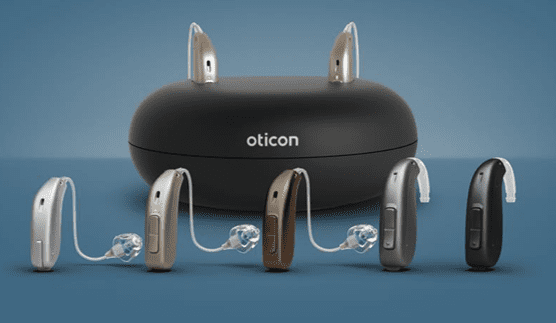
For consumers returning to work and social activities in an uncertain economic climate, the newest addition to Oticon’s line of technology offers a combination of “sound quality, sought-after features, and affordability,” according to an announcement from the company.  The new Oticon Ruby “sets a new standard in the essential category, delivering great sound quality, hassle-free rechargeability, and easy wireless connectivity in one complete solution—all within the reach of today’s budget-conscious patients.”

Powered by the Velox S platform, Oticon Ruby introduces the new SuperShield feedback management system that “helps prevent feedback before it occurs, so patients can enjoy hearing without interruptions from unwanted whistling and squealing.” For patients who want the convenience of rechargeable batteries, a new lithium-ion rechargeable option helps provide a full-day’s* charge in a few hours. Bluetooth connectivity helps enable patients to connect to smartphones and other modern devices to stream audio and music directly to their hearing aids.

“After experiencing this time of social distancing, consumers recognise the value of easy access to modern technologies to stay connected with family, friends, and business colleagues,” said Don Schum, PhD, Vice President of Audiology for Oticon, Inc.  “Phone calls, video chats, and other virtual connections have become their lifeline to the world. These connections are enhanced with better hearing. At the same time, despite the start of an economic recovery, some patients may be more careful about spending. Oticon Ruby allows practitioners to offer patients looking for sought-after features, like rechargeability and easy wireless connections, a quality solution at a more affordable price.”

Like all Oticon wireless hearing aids, Oticon Ruby is compatible with Oticon RemoteCare, a new telehealth solution that allows hearing care professionals to follow up online with patients to remotely adjust and fine-tune hearing aids in a virtual appointment. For select patients who have valid audiograms, first fit with Oticon RemoteCare allows hearing care professionals to fit new hearing aids remotely.

Bath hearing centre 

Oticon Ruby and all Oticon hearing aids use BrainHearing technology to “help support the brain in making sense of sound and enable patients to participate in challenging listening environments.” The Velox S platform powers the new SuperShield technology to analyse incoming sound levels, identify feedback, and prevent whistling before it occurs.

Oticon Ruby miniRITE R rechargeable hearing aids offer a full day* of power with an overnight charge. The charger helps provide a stable, reliable magnetic connection for charging that delivers power throughout the day, including streaming, with a three-hour charging time. A 30-minute recharge provides an additional six hours of power, according to Oticon.

With 2.4 GHz Bluetooth low-energy technology, Oticon Ruby helps deliver “easy wireless connectivity with low battery consumption to a wide range of devices such as smartphones, audio or music streams in stereo to both hearing aids from Bluetooth-connected mobile phones, MP3 players, PCs, and more.” Patients can pair Oticon Ruby with multiple TV Adapters and use the Oticon ON App to stream from any TV. The Oticon ON App also lets patients adjust volume, switch settings, check battery level, and access features such as Find My Hearing Aid and Oticon HearingFitness.

Keynsham ear wax removal

Oticon Ruby is available in a full lineup of styles, including miniRITE, miniRITE T (telecoil), miniRITE R (rechargeable), BTE and BTE Power Plus, and five popular colours. Oticon Ruby is compatible with Oticon CROS hearing aids.

For more information on Oticon Ruby visit: www.Oticon.com/Ruby.

*Lithium-ion performance varies depending on hearing loss, lifestyle, and streaming behaviour

Source: Oticon

Image: Oticon

20th July 2020/by admin
https://www.keynshamhearing.co.uk/wp-content/uploads/2019/03/logo-300x79.png 0 0 admin https://www.keynshamhearing.co.uk/wp-content/uploads/2019/03/logo-300x79.png admin2020-07-20 11:51:082020-07-20 11:51:08Oticon Launches Ruby Hearing Aid for Budget-Conscious Patients
Bath ear wax removal, Ear wax removal Bristol, News

Phonak Launches Naída Marvel (M)

Bath hearing centre

Phonak Launches Naída Marvel (M)


Bath hearing centre 

Phonak announced the launch of the Naída Marvel (M), described as “a fully-connected, multifunctional super-power hearing aid for those with severe-to-profound hearing loss.” Naída Marvel reportedly delivers “rich, powerful sound and directly connects to virtually any Bluetooth device including smartphones, TVs, tablets, PCs, and much more,” according to Phonak. Integrated Marvel 2.0 technology like RogerDirect helps give wearers the flexibility to stream the Roger signal directly into both ears, resulting in almost 10x better-than-normal hearing in noisy situations and over distance.1 

Naída M: Power meets connectivity

Naída M is said to be “the world’s first super power hearing aid that directly connects to both iOS and Android, or virtually any other Bluetooth enabled audio device.” It’s also reportedly “the world’s only super-power hearing aid to allow hands-free phone conversations as well as the classification of streamed audio signals.” 2 With Naída M, super power wearers can use their hearing aids like wireless headsets, according to Phonak.

“Since the release of its first power hearing aid in 1978, the Phonak brand has been dedicated to creating powerful hearing solutions that deliver excellent hearing performance,” said Jon Billings, Vice President of Marketing at Phonak. “Now in its sixth generation, Naída M builds on this legacy with award-winning Marvel technology. The result is Naída becoming the most powerful Super Power3 multifunctional hearing solution that allows people with severe-to-profound hearing loss to connect to everyone and everything around them.”

Extending Marvel and increasing accessibility 

Per the World Health Organization (WHO), approximately 466 million people worldwide have disabling hearing loss.4 Left untreated, these individuals have extreme difficulty communicating with others, often relying on lip reading and/or sign language.5 One study found the societal costs of this degree of hearing loss in the US alone to be nearly $300,000 over the lifetime of each person, most of this attributed to reduced work productivity.6

Naída M’s combination of power with wireless connectivity was specifically engineered to address the unique communication needs of people with severe forms of hearing loss, Phonak says. According to the company’s announcement, StereoZoom helps to reduce listening effort in noise by 24% versus a non-directional program and even enhances memory recall with 10% more words recalled in noise.7 NaídaMarvel directly connects to Roger microphones to help improve speech understanding in noise and over distance1 while remaining 15% smaller and 14% lighter than previous versions that required an external receiver.

Finally, the myCall-to-Text app helps provide live transcription of phone calls from the other party in more than 80 languages. This is an ideal solution for people who would like to benefit from additional visual captions when using the phone.

Naída Marvel will be available to the public at the end of February through licensed hearing care professionals. For more information, please visit http://www.phonak.com/naidamarvel.

  1. Thibodeau L. Comparison of speech recognition with adaptive digital and FM remote microphone hearing assistance technology by listeners who use hearing aids. American Journal of Audiology. 2014;23(2):201-210.
  2. Rodrigues T, Liebe S. Phonak. AutoSense OS™ 3.0. The new & enhanced automatic operating system. https://www.phonakpro.com/content/dam/phonakpro/gc_ca/en/products_solutions/hearing_aid/Audeo_M/documents/Insight_btb_Audeo_Marvel_AutoSense_OS_30.pdf. Published July 2018.
  3. Phonak. Phonak NaídaTM M Technical Data. https://www.phonakpro.com/content/dam/phonakpro/gc_hq/en/products_solutions/hearing_aid/naida_marvel/documents/datasheet_naida_marvel_sp.pdf. Accessed January 13, 2020.
  4. Deafness and hearing loss fact sheet. World Health Organization (WHO). https://www.who.int/news-room/fact-sheets/detail/deafness-and-hearing-loss. Published March 20, 2019.
  5. European Working Group on Genetics of Hearing Impairment. Biomedical and Health Research Programme (HEAR) Infoletter 2. November 1996; 8.
  6. Mohr PE, Feldman JJ, Dunbar JL, et al. The societal costs of severe to profound hearing loss in the United States. International Journal of Technology Assessment in Health Care. 2000;16(04):1120-1135.
  7. Winneke A, Schulte M, Latzel M. The effect of spatial noise processing in hearing aids on neural correlates of listening and memory effort: An EEG study. 2019. Manuscript in preparation.

Bluetooth® word mark is a registered trademark owned by Bluetooth SIG, Inc. and any use of such mark by Sonova AG is under license.

IOS is a trademark of Cisco Technology, Inc.

Android is a trademark of Google LLC.

Source: Phonak

Images: Phonak

24th March 2020/by admin
https://keynshamhearing.co.uk/wp-content/uploads/2020/03/Keynsham-hearing-Somerset.jpg 480 640 admin https://www.keynshamhearing.co.uk/wp-content/uploads/2019/03/logo-300x79.png admin2020-03-24 12:40:562020-03-24 12:40:56Phonak Launches Naída Marvel (M)
Bath ear wax removal, Hearing aids Bristol

New custom hearing aids Bath

Bath hearing aids, Bristol hearing aids, Frome hearing aids

New custom hearing aids Bath

New custom hearing aids Bath, at the Keynsham hearing centre near Bristol and Bath


New custom hearing aids Bath are now available at the Keynsham hearing centre. Hearing aids have transformed the way people live and work in recent technology advances. Today hearing aids can be tailored to an individual like never before.  The days of plain analogue amplification of every noise in the room or outdoors have pretty much gone.  The latest digital hearing aids are so clever that they can in most instances only increase the level of the frequency loss and not any other frequency making the hearing aids more uncomfortable sonic wise.

Hearing aids Bath

Here at Keynsham hearing we know what how to get the best from your new hearing aids. After a comprehensive hearing test we will know what level of hearing loss you maybe experiencing.  With this knowledge we then can decide what type of hearing aid you may need to make your hearing a lot better.  Once we have this information we can then go onto tailoring the actual aid. New to the market are hearing aids that sit in the ear canal and are now more powerful in helping you hear far better than the traditional over the ear type. This is new and exciting times fro hearing aids. Stephen Neal is an expert audiologist at Keynsham and will gladly take you through the process of getting your hearing back on track.

Below is a press release explaining how the new in ear hearing aids have advanced. It’s an interesting read!


Please call or book an appointment with Anita on reception to start your journey back to hearing again.


Keynsham Hearing News:


Great Sound in Miniature: GN Hearing Introduces New Custom-crafted Hearing Aids

Published: Aug 30, 2019

Logo
Aug. 30, 2019 11:00 UTC

BALLERUP, Denmark–(BUSINESS WIRE)– GN Hearing, the global leader in hearing aid connectivity, today launched a suite of new custom-crafted hearing aids. The new portfolio packages the industry renowned ReSound LiNX Quattro™ technology – a brilliant experience with Layers of Sound, great speech intelligibility even in noisy situations, and excellent streaming – into discreet custom-crafted hearing aids. While taking up as little space as possible in the ear canal, users will benefit from an impressive listening experience.

Bath hearing aids

Great hearing is in high demand. Not only are 466 million people around the world living with disabling hearing lossi, ReSound LiNX Quattro has also seen a positive reception in the market, which has led to the launch of new custom hearing aids for this popular model. The new custom-crafted hearing aids can enrich people’s lives with all the qualities of hearing, such as socializing, learning, and working optimally. In addition, each hearing aid is designed to fit exactly to the ear canal of every individual user, using a 3D scanner and advanced personalized modelling. Sitting discreetly in the ear canal, the design can also bring extra confidence to the user.

Beristol hearing aids

ReSound LiNX Quattro is a clear number one for streaming. In an independent study, streaming music and speech from an iPhone was top-rated for ReSound LiNX Quattro compared to other hearing aidsii. Users can benefit from using the new small and discreet custom-crafted hearing aids for taking calls and streaming their favourit music and TV shows. They can also stream sound directly to the hearing aids from an iPhone with no need for intermediate devices and the hearing aids are built for direct Android™ streaming, tooiii.

“ReSound LiNX Quattro has been very well received by people with hearing loss. We are dedicated to bringing the technological benefits to more users, who prefer wearing their hearing aids discreetly in the ear canal,” said Jakob Gudbrand, President and CEO of GN Hearing. “These technological wonders in miniature are truly personalized and custom-crafted to fit each person’s hearing, yet with the brilliant experience with Layers of Sound and excellent streaming that people appreciate.”

Four new options are available: the first Completely-in-Canal (CIC) 2.4 GHz wireless hearing aid for direct streaming, high-quality In-the-Canal (ITC) and In-the-Ear (ITE) models, and the industry’s only Mic-in-Helix (MIH) hearing aid. Each custom-crafted hearing aid comes in five skin-tone colors to ensure that they are personal and discreet for every user.

Browse the ReSound customs portfolio.

The new custom-crafted hearing aids are now also available in the Beltone AmazeTM collection.

10th September 2019/by admin
https://keynshamhearing.co.uk/wp-content/uploads/2019/09/starkey-wi-ric-13.jpg 500 500 admin https://www.keynshamhearing.co.uk/wp-content/uploads/2019/03/logo-300x79.png admin2019-09-10 10:44:422019-09-10 10:44:42New custom hearing aids Bath
Bath ear wax removal, Bath hearing loss centre

Independent Bath hearing company

Bristol ear wax removal. Bath ear wax removal.

Independent Bath hearing company


Independent Bath hearing company at the Keynsham hearing centre.  Stephen Neal audiologist at Keynsham hearing is an expert in ear wax removal using Microsuction.  Microsuction ear wax removal is a safe, easy painless way of removing wax. You can watch our ear wax removal video here.

We also conduct hearing test in the Bath area including dispensing the very latest hearing aids form all the main manufacturers. We are a family run company so are very friendly and not like the large high street stores. Stephen and Anita Neal are the owners and that is who you will see when you arrive for a consultation.


Ear wax removal Bristol, ear wax removal Bath, ear wax removal Somerset, ear wax removal Frome, ear wax removal Combe down,

Ear wax removal Bath at the Keynsham hearing centre, by Stephen Neal


Keynsham hearing news:


Phonak Marvel Receives Gold Stevie Award, Named ‘Innovation of the Year’

Published on August 15, 2019

Stevie Awards

Phonak announced its Marvel hearing aid solution has won a Gold Stevie Award and was named Innovation of the Year—Consumer Products Industries in the 2019 International Business Awards. According to comments obtained from judges, the multifunctional hearing solution received top honors for being “the world’s first hearing aid to combine universal Bluetooth connectivity, lithium-ion rechargeability, and top-rated sound quality into a single device.” The Gold Stevie marks the fourth major product honor awarded to Phonak Marvel this year, placing it among the company’s most highly-awarded products ever, according to Phonak.

iba19_gold_winner

“We are thrilled that Phonak Marvel has received a Gold Stevie award and was named an Innovation of the Year,” said Martin Grieder, Group Vice President, hearing instruments marketing. “Marvel truly is the culmination of so many of our innovations into one product—including rechargeability, universal Bluetooth connectivity, Binaural VoiceStream Technology, and various eSolutions, just to name a few. All this technology works together to produce clear, rich sound quality from the very first fit.”

The Gold Stevie award is the latest product honor awarded to Phonak Marvel this year. In June, Marvel received the 2019 MedTech Breakthrough Award for its ability to fully support stereo audio streaming from Android and iOS devices. Also in June, Phonak eSolutions, optimized for Marvel, was the winner of the 2019 Mobile Business Awards. Phonak Marvel also received a Silver Edison Award in April and was named a 2019 CES Innovation Award Honoree in January.

A record total of more than 4,000 nominations from organizations of all sizes and in virtually every industry were submitted this year for consideration in a wide range of categories, including Company of the Year, Marketing Campaign of the Year, Best New Product or Service of the Year, Startup of the Year, Corporate Social Responsibility Program of the Year, and Executive of the Year, among others.

Stevie Award winners were determined by the average scores of more than 250 executives worldwide who participated in the judging process from May through early August, according to Phonak’s announcement.

For more information about Phonak Marvel, visit: www.phonak.com. Details about The International Business Awards and the lists of Stevie Award winners are available at: www.StevieAwards.com/IBA.

Source: Phonak, International Business Awards

Images: International Business Awards

18th August 2019/by admin
https://keynshamhearing.co.uk/wp-content/uploads/2019/03/testimonial-lee3.jpg 300 533 admin https://www.keynshamhearing.co.uk/wp-content/uploads/2019/03/logo-300x79.png admin2019-08-18 18:43:552019-08-26 19:10:08Independent Bath hearing company
Bath ear wax removal, Ear wax removal Keynsham Bristol

Ear wax removal Bath

Ear wax removal, Bath ear wax removal, Frome ear wax removal, ear wax removal Bristol, Microsuction Bath, Microsuction Bristol

 Ear wax removal Bath


The best ear wax removal Bath is at the Keynsham hearing centre. If you are in need of expert advice for ear wax issues or you know you have ear wax issues, the Keynsham hearing centre have various ways they can remove it. The latest technique is using a small hoover type of machine.  This very gently removes ear wax using Micro-Suction. Suction so small you can hardly feel it.  Stephen Neal the lead audiologist at Keynsham hearing demonstrates how Microsuction works here. The video really does show how simple and effective this way of removing ear wax is.

 Ear wax removal Bath

Sometimes ear wax removal can be called ear syringing. Keynsham hearing can do the traditional ear syringing technique if you prefer.

Bristol ear wax removal. Bath ear wax removal.

Ear wax removal for the Bath area available at the Keynsham hearing centre.

Out of hours ear wax appointments are always available, please call reception and ask Anita specifically for an out of ours appointment if your ear wax removal is urgent.


Keynsham hearing news:


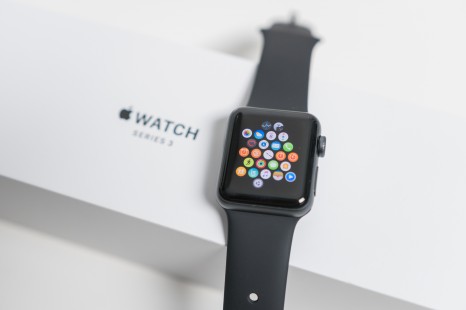
New Apple Watch Feature to Measure Noise Levels

The Keynsham hearing centre offers the very latest in hearing aids and hearing wearable connectivity.


Ear wax removal and hearing aids, Bath, Somerset

A new feature on the Apple watchOS 6 will help users keep track of the decibel level in their surrounding environment, according to an article on Mic.

The app, known as “Noise,” will periodically use the watch’s microphone to check sound levels, and will issue a warning if sound reaches or exceeds 90 decibels, according to Mic. Users will also be able to perform checks on demand as well.

The Mic article does note, however, that the Noise app will not measure sound levels when listening to music via headphones.

To read the article in its entirety, please click here.

Source: Mic

Image: © Jair Fonseca – Dreamstime.com

9th June 2019/by admin
https://keynshamhearing.co.uk/wp-content/uploads/2019/03/slider-3.jpg 600 1608 admin https://www.keynshamhearing.co.uk/wp-content/uploads/2019/03/logo-300x79.png admin2019-06-09 19:31:042019-06-09 19:31:04Ear wax removal Bath

Categories

  • Bath ear wax removal
  • Bath hearing loss centre
  • Ear wax removal Bristol
  • Ear wax removal Keynsham Bristol
  • Hearing aids Bath
  • Hearing aids Bristol
  • Hearing loss
  • Hearing test Bristol
  • News
  • Tinnitus therapy
  • Uncategorised

Latest News

  • 40 Years of hearing aid Sound Processing7th June 2021 - 9:38 am
  • ‘Forbes’ Journalist Tries Widex Moment Hearing Aids1st June 2021 - 3:30 pm
  • Bath hearing centre, Bristol hearing centre, Frome hearing centre,,Phonak Launches Naida Paradise Hearing Aid21st May 2021 - 2:42 pm
  • Ear Drum Scaffolding8th May 2021 - 3:55 pm
  • Oticon More Keynsham Hearing3rd May 2021 - 6:09 pm

Interesting Fact

A person with hearing loss will always have hearing loss, but with hearing aids they can learn to communicate more easily. Hearing aids provide a way for those who are hard of hearing to improve their quality of life.

Keynsham Hearing Centre

34 Temple Street, Keynsham,
BS31 1EH

Call us now on 0117 986 4242

email: info@keynshamhearing.co.uk

Working Hours

Monday: 9AM – 4PM
Tuesday: 9AM – 4PM
Wednesday: 9AM – 4PM
Thursday: 9AM – 4PM
Friday: Closed
Saturday: By Appointment only
Sunday: Closed
Bank holidays: Closed

Latest News

  • 40 Years of hearing aid Sound Processing7th June 2021 - 9:38 am
  • ‘Forbes’ Journalist Tries Widex Moment Hearing Aids1st June 2021 - 3:30 pm
  • Bath hearing centre, Bristol hearing centre, Frome hearing centre,,Phonak Launches Naida Paradise Hearing Aid21st May 2021 - 2:42 pm
  • Ear Drum Scaffolding8th May 2021 - 3:55 pm
© Copyright 2019-2024 Keynsham Hearing Centre - Powered by creativeminds.co.uk
  • Facebook
Scroll to top

We are using cookies to give you the best experience on our website.

You can find out more about which cookies we are using or switch them off in settings.

Keynsham Hearing Centre
Powered by  GDPR Cookie Compliance
Privacy Overview

This website uses cookies so that we can provide you with the best user experience possible. Cookie information is stored in your browser and performs functions such as recognising you when you return to our website and helping our team to understand which sections of the website you find most interesting and useful.

Strictly Necessary Cookies

Strictly Necessary Cookie should be enabled at all times so that we can save your preferences for cookie settings.

If you disable this cookie, we will not be able to save your preferences. This means that every time you visit this website you will need to enable or disable cookies again.